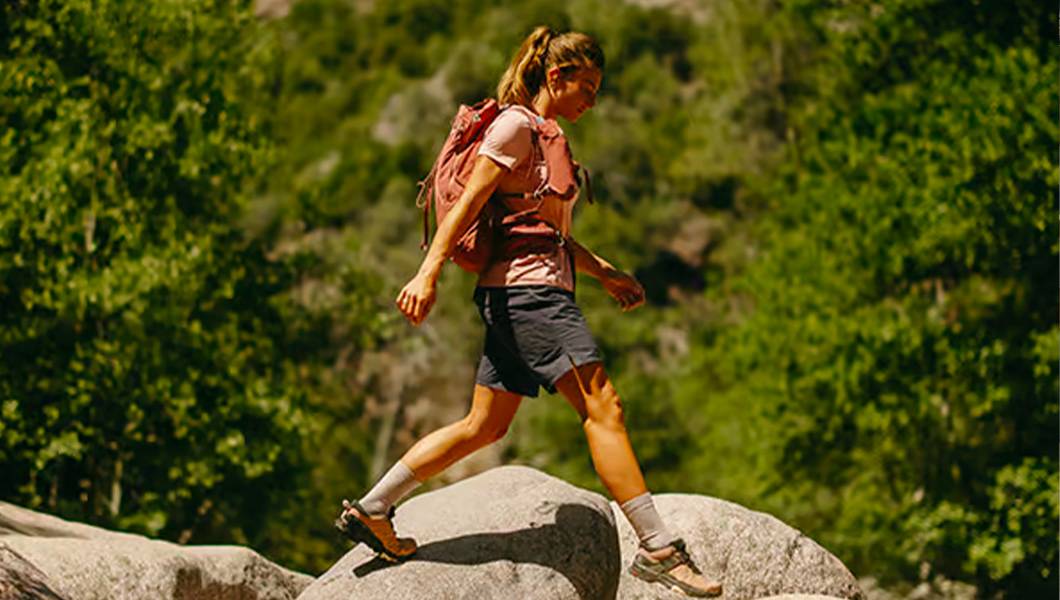
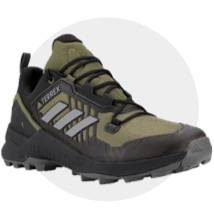
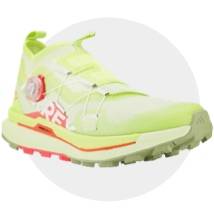
Hiking shoes are essential. They must provide reliable grip on various types of terrain such as rocks, mud, gravel, or snow. They should also offer good stability, proper ankle support, protection against impacts and debris, and lasting comfort for your feet.
Depending on the type of hike and weather conditions, different models are available. Low-cut hiking shoes are ideal for easy trails or fast hiking on well-marked paths. Mid- or high-cut hiking shoes offer better ankle support and are recommended for mountain hiking or technical terrain. For wet weather or muddy trails, waterproof hiking shoes are essential.
Choosing the right size of hiking shoes is crucial to avoid injuries and blisters. Hiking shoes should fit well without being too tight to ensure proper blood circulation. Regular cleaning and maintenance also help extend their lifespan and keep them effective on the trails.
Beyond fit, materials play an important role. They directly affect durability, breathability, and water resistance. Leather offers excellent durability and protection but requires more maintenance, while synthetic materials are lighter and dry faster. Outsoles must provide sufficient traction on varied surfaces, and shock absorption technologies help reduce fatigue on long hikes.
Leading hiking shoe brands such as Salomon, Merrell, Hoka, Lowa, La Sportiva, and Millet offer models adapted to every hiker profile, from lightweight comfort to technical robustness for demanding terrain.
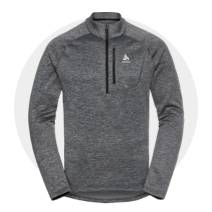
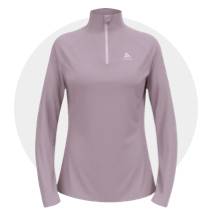
Wearing technical hiking clothing ensures optimal comfort on the trail. Your choice should depend on the season, weather conditions, and hike duration.
In summer, a technical t-shirt, shorts, and lightweight hiking shoes or sandals are usually sufficient. In winter, waterproof hiking pants and a hiking jacket are essential to protect against cold and rain.
To adapt to changing conditions, the three-layer system is strongly recommended, allowing flexibility and effective protection throughout the hike.
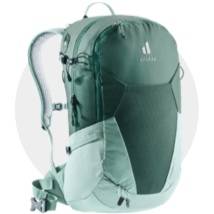
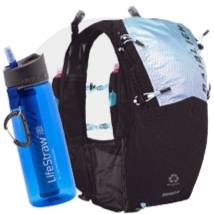
A hiking backpack is essential for carrying water, food, sunglasses, headlamps, GPS devices, and other accessories. Designed to be ergonomic and comfortable, it allows freedom of movement while walking.
Compression straps, rain covers, trekking pole attachments, and safety whistles make hiking backpacks versatile and suitable for various hiking conditions.
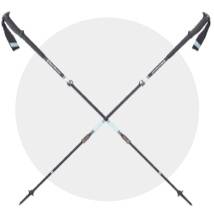
Hiking poles improve balance and stability on steep or uneven terrain. They reduce strain on knees and ankles by distributing effort between the upper and lower body.
They also increase safety when crossing streams or navigating technical sections of the trail.
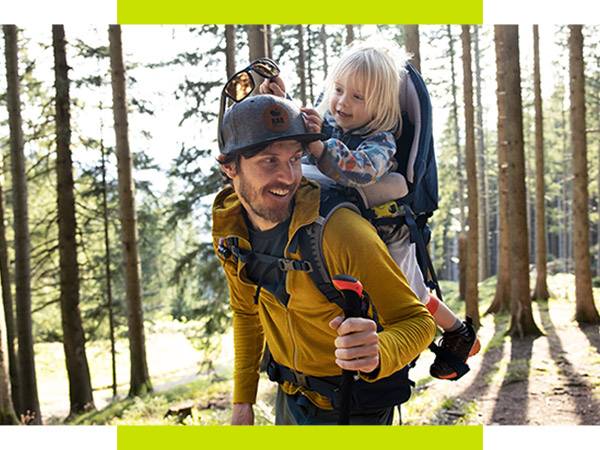
Hiking as a family is a great way to spend quality time together while exploring nature. However, when you have a baby or a young child, bringing them along can be challenging. This is where a hiking child carrier becomes especially useful.
It allows you to carry your child comfortably on your back while keeping your hands free to maintain balance on uneven or technical terrain. A well-fitted child carrier helps distribute your child's weight evenly across your body, reducing fatigue and strain.
In addition, a child carrier equipped with a hood or sunshade can protect your child from harsh weather conditions. With a hiking child carrier, family hikes become safer, more comfortable, and more enjoyable for everyone.
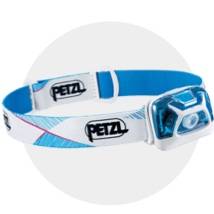
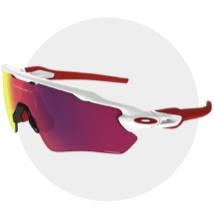
Some accessories are recommended to hike safely and fully enjoy time outdoors. These include hats, beanies, jackets, caps, socks, gloves, sunglasses, and headlamps, which help protect against sun exposure, cold temperatures, and low-light conditions.
It is also essential to carry a complete first aid kit in your hiking backpack to ensure your own safety and that of other hikers in case of an emergency.
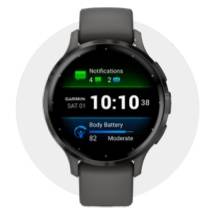
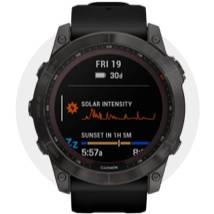
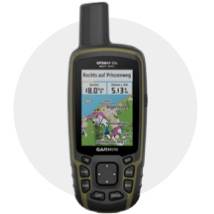
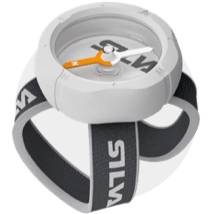
Do not forget important navigation tools, especially in remote or isolated areas. GPS watches, handheld GPS devices, compasses, and paper maps are crucial in case of battery failure. These orientation accessories help you track your exact position, altitude, distance covered, and remaining distance, making it easier to follow your route and avoid getting lost.
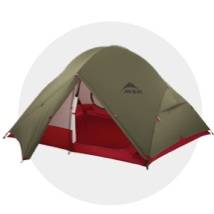
Camping gear can be extremely useful for multi-day hikes in full autonomy. First, a tent is a key piece of equipment, providing protection from the elements and a comfortable shelter for the night. It should be lightweight, easy to set up, and spacious enough to accommodate both people and gear.
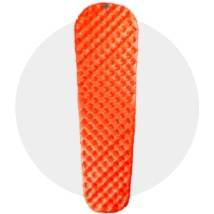
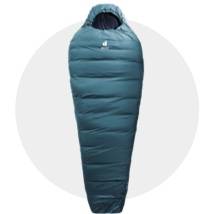
A sleeping bag is also essential to ensure warm and comfortable nights. It should be chosen based on expected temperatures and weight to avoid adding unnecessary load to your backpack. An inflatable sleeping pad is recommended for added comfort and insulation from the ground.
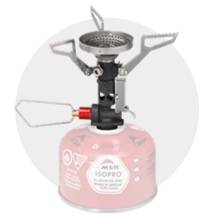
For cooking, a gas or fuel stove is indispensable for preparing hot, comforting meals during your hike.