

Nike
Pegasus Plus W

Run with the best running gear from i-Run. Discover a wide selection of running shoes and apparel for men and women. Also explore sports watches, accessories, and nutrition products designed for running.
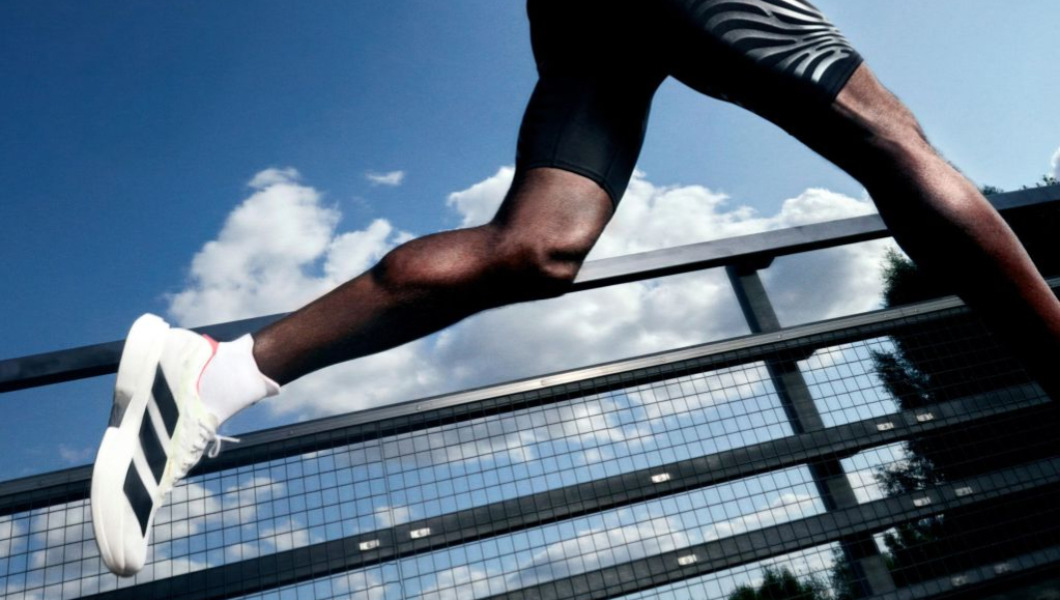














Running is a very popular activity that requires the right equipment to ensure comfort and help prevent injuries. Running shoes are a key part of that equipment. Choosing the right pair of shoes is therefore essential, not only for comfort and protection, but also to improve performance as you progress.
Whether you run for pleasure, to stay fit, or to improve your VO2 max, meaning your maximum ability to use oxygen during exercise, the right shoe model can make a real difference to both your efficiency and how you feel while running.
Here are a few tips to help you choose the right pair:

Choosing running shoes that match the terrain is essential, especially when you want to start running in good conditions. The surface you run on directly affects your foot strike, comfort, and risk of injury. Each type of terrain requires specific shoes to ensure safety and performance.

How often you run and the distance you cover in each session are key factors when buying running shoes. These criteria play an important role if you want to improve safely and consistently.
If you run frequently and over long distances, durability becomes essential. Choose running shoes designed to last, while providing excellent cushioning to protect your feet and joints from repeated impact.
On the other hand, if you run occasionally or over short distances, flexibility and comfort may be your top priorities. You may not need an ultra durable shoe, but good support and adequate cushioning remain essential to help prevent injuries.
Lightweight and well ventilated shoes are ideal for occasional runs, especially if you enjoy running in warm weather. Proper airflow helps prevent overheating and improves overall comfort during exercise.
If you prefer running in colder conditions, look for shoes that offer better thermal insulation while maintaining good breathability. Water repellent or waterproof materials can also be a real advantage for keeping your feet dry in wet or cold weather.

The drop of a running shoe refers to the height difference between the heel and the forefoot. Measured in millimetres, it influences your running stride.
Choosing the right drop depends on your individual running mechanics, personal preferences, and above all, your goals. For example, if you train at high intensity or focus on improving your VMA (maximum aerobic speed), shoes with a low or medium drop and a more responsive feel can help improve running efficiency. A higher drop may be more suitable for runners looking for comfort at slower paces.
If you enjoy running at night, consider stable shoes with reflective elements for added safety.
Whatever your preference, a gradual transition is essential when switching from a high drop to a low drop or the other way around, allowing your body time to adapt. Above all, comfort remains the top priority. You should feel good from the very first steps.

The structure and shape of your feet play a crucial role in how you run and therefore in the type of shoes that suit you best. Adapting your footwear to your foot shape is essential, especially if you experience discomfort or are looking to improve both comfort and performance.

A runner's weight has a significant impact on how much force is absorbed during running.
Heavier runners place greater pressure on their feet, which can increase the risk of injury if their shoes are not suitable. For these runners, shoes with enhanced cushioning and added support are essential. These features help absorb shock effectively and protect the joints from repeated impact. A durable outsole is also recommended, as it may wear down faster under higher loads.
Lighter runners have more flexibility in their choice. They can opt for lighter, more responsive shoes that offer a natural running feel while still providing sufficient cushioning.

Every runner has a specific gait: neutral, pronated, or supinated. Identifying it is essential to choose shoes that provide the right level of support for your biomechanics. Poorly adapted shoes can reduce comfort and increase the risk of injury.
Runners with a neutral gait have the widest choice of compatible models. Pronated or supinated runners, however, need shoes with specific support features to guide or correct foot movement.
If you are considering running in carbon plate shoes, understanding your gait becomes even more important. These models are designed for performance and responsiveness and are generally recommended for experienced runners with stable technique. A well controlled gait is essential to fully benefit from the propulsion provided by a carbon plate while reducing the risk of muscular overload.
During base endurance runs, where the goal is to run at low intensity to build an aerobic base, it is best to choose comfortable, well cushioned shoes suited to your gait. This type of training is fundamental, even for experienced runners, and deserves careful consideration when selecting your running shoes.
Running is a demanding sport that puts real stress on your body with every stride. To train in the best conditions, your gear choices matter. Whether your goal is better comfort, stronger performance, or fewer injuries, it pays to equip yourself smartly.
Running shoes, technical clothing, GPS sports watches, and the right accessories all play a key role. Below, you will find practical guidance to help you make the right choices based on your needs, your goals, and the conditions you run in.

Running shoes are probably the most important part of your kit. Whether you are new to running or already experienced, choosing the right pair of shoes depends on several factors: your gait (overpronation, supination, or neutral), how often you train, the distance you run, the terrain (road, trail, track), and your foot shape.
On i-Run, you will find a wide selection of men's running shoes and women's running shoes to suit every runner. Models vary by drop, cushioning level, weight, and responsiveness, so you can match your shoes to your training style and objectives.
The right shoes help reduce injury risk, improve comfort with every stride, and support better performance over time. Take a moment to compare key features across models and do not hesitate to seek advice to find your ideal pair.

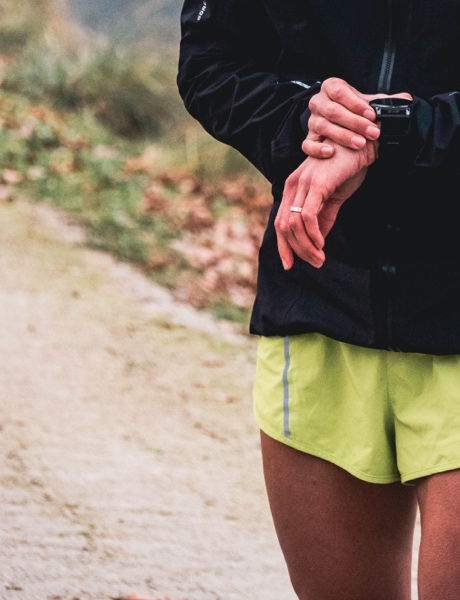
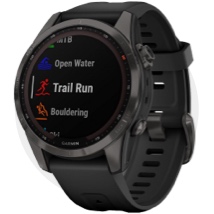
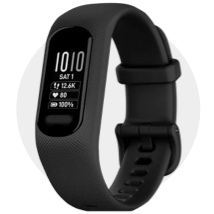
Alongside a good pair of shoes, a running GPS watch can be a real advantage for making progress. Smartwatches let you track key running metrics such as distance, pace, heart rate, elevation, and intensity zones.
For beginner runners, a watch helps you manage effort, avoid overdoing it, and stick to base endurance work. Some models also include built-in training plans, cadence alerts, and post run analysis, which can help you understand your sessions and improve more consistently.
For experienced runners, sports watches become a performance tool. They offer detailed analysis (pace, heart rate, VO2 max, cadence) and help you plan targeted sessions like intervals or long runs, while tracking progress accurately across training blocks.

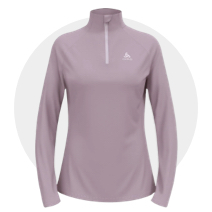
Choosing the right running clothing is just as important if you want to run comfortably in any weather. Good kit improves comfort, helps regulate body temperature, and reduces irritation.
For warm conditions, choose technical fabrics that are lightweight and breathable and that wick sweat away efficiently. In cold or wet weather, use the three layer system: a thermal base layer, an insulating mid layer, and a windproof or waterproof outer layer.
Do not forget key accessories like a beanie and gloves or a neck gaiter to stay comfortable when temperatures drop. If you like running at night, choose reflective clothing or gear with reflective details to improve visibility and safety.

Beyond shoes, clothing, and GPS watches, some running accessories are essential for training in good conditions, while others are not critical but can significantly improve comfort and the overall running experience.
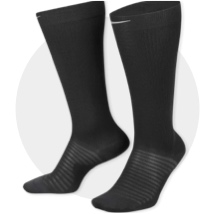
Essential accessories are the ones to prioritise from your very first runs. This includes technical socks to help prevent blisters and provide a secure fit, a supportive sports bra for proper support, and reflective accessories or a headlamp if you run early in the morning or in the evening. A running belt or armband also makes it easy to carry the basics without getting in the way.
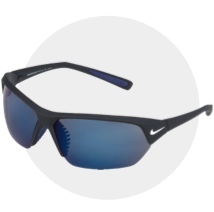
Must have running accessories quickly become valuable for regular runners or on longer runs. Think of a cap or visor for sun protection, a multi use neck gaiter, a technical beanie and gloves for winter running, and a hydration vest or hydration belt to stay well hydrated. Sport sunglasses also belong on the list, protecting your eyes while maintaining clear vision.
When chosen well, these accessories help you adapt to any conditions, improve comfort and safety, and get the most out of every run.
Choose running shoes based on your gait, foot shape, running surface, distance, and how often you run. Prioritize comfort and the right level of support to help reduce injury risk.
It is also important to replace running shoes regularly. As shoes wear out, cushioning and support break down, which can lead to discomfort and increase the risk of pain. As a general guideline, most runners replace their shoes every 600 to 800 km, depending on the model and usage.
Your gait is usually neutral, overpronated, or supinated. A quick way to get an initial idea is to check the wear pattern on your current shoes. Even wear often suggests a neutral gait, while heavier wear on the inside or outside of the outsole can indicate overpronation or supination.
For the most accurate result, consider a gait analysis with a running specialist.
Wear technical running clothing made from lightweight, breathable fabrics that wick sweat and help regulate body temperature. This can reduce chafing and improve comfort over longer runs.
A close but comfortable fit usually offers the best freedom of movement, so you can stay dry and comfortable even during longer efforts.
A runner's weight plays a key role when choosing running shoes, especially if you are new to running. Heavy runners typically need shoes with stronger cushioning and support to absorb impact and help prevent injuries.
Lighter runners can often prioritize lighter, more responsive models that feel more dynamic. Matching your shoes to your weight helps improve comfort, performance, and shoe durability.
Shoe drop is the height difference between the heel and the forefoot. A low drop (0 to 4 mm) can encourage a more natural stride and may promote a midfoot or forefoot strike.
A higher drop (8 to 12 mm) often provides more heel cushioning and may suit runners who land more on the heel. The best choice depends on your running style and what feels most comfortable.
The main difference is intensity and speed. Jogging is a relaxed pace, often around 6 to 9 km per hour, where you can usually hold a conversation.
It is also commonly used for easy endurance running, a low intensity zone that supports aerobic fitness and recovery. Running is generally faster and more intense, with a stronger focus on performance and improving times.
A lower heel to toe drop is often suggested because it may reduce stress on the knees by encouraging a midfoot or forefoot strike.
Comfort and technique vary from runner to runner. If pain persists, consult a qualified professional for personalized advice.
Clean running shoes by hand using a soft brush and lukewarm water, and avoid machine washing. Machine washing can damage materials and weaken the structure of the shoe.
Let them air dry away from direct heat to prevent damage. Removing the insoles regularly can help them dry and stay fresh.
Beginner runners typically do well with an easy to use GPS watch that covers core metrics.
Regular runners may prefer more detailed training insights and longer battery life. Experienced athletes often look for advanced metrics and deeper customization.
Yes, reflective clothing is strongly recommended when running in low light, such as early mornings or evenings. Reflective details help drivers and other road users spot you sooner.
This can significantly improve safety, especially in urban areas or on shared roads. Many running items include reflective elements without compromising comfort or breathability.
Compression clothing can be helpful for some runners. It may support blood circulation, reduce muscle vibration during exercise, and potentially improve recovery after a run.
Results vary from one runner to another, so it is best to test compression gear during training and decide whether it works well for you.
A GPS running watch tracks distance, pace, speed, and route accurately. This data is valuable for analyzing performance, planning training, and measuring progress.
Many watches also include heart rate tracking and training guidance to support steady improvement.
Start with your needs: GPS accuracy, heart rate tracking, battery life, and suitable water resistance. If you want everyday features, a smartwatch can add notifications and daily activity tracking.
Compare ease of use, key metrics, and budget to choose the best option for your needs.
Yes, i-Run offers men's running underwear, including briefs and boxers from specialist brands.
Running specific underwear is designed to improve comfort, reduce friction, and manage sweat during training.