
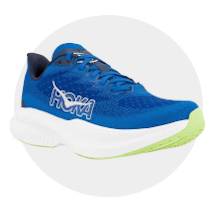
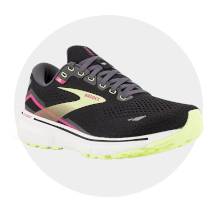






Brooks
Dash 1/4 Zip 3.0

Head out on your next adventure and explore the trails of your choice with the best trail running gear from i-Run. Discover a wide selection of trail running shoes suited to all levels, along with technical clothing for men and women designed for performance and comfort.
GPS sports watches, hydration packs, poles, and sports nutrition: i-Run supports you in every aspect of your trail running practice.
Need help choosing the right trail running shoes? Follow our expert advice to find the perfect pair based on your running gait, experience level, and the terrain you run on.
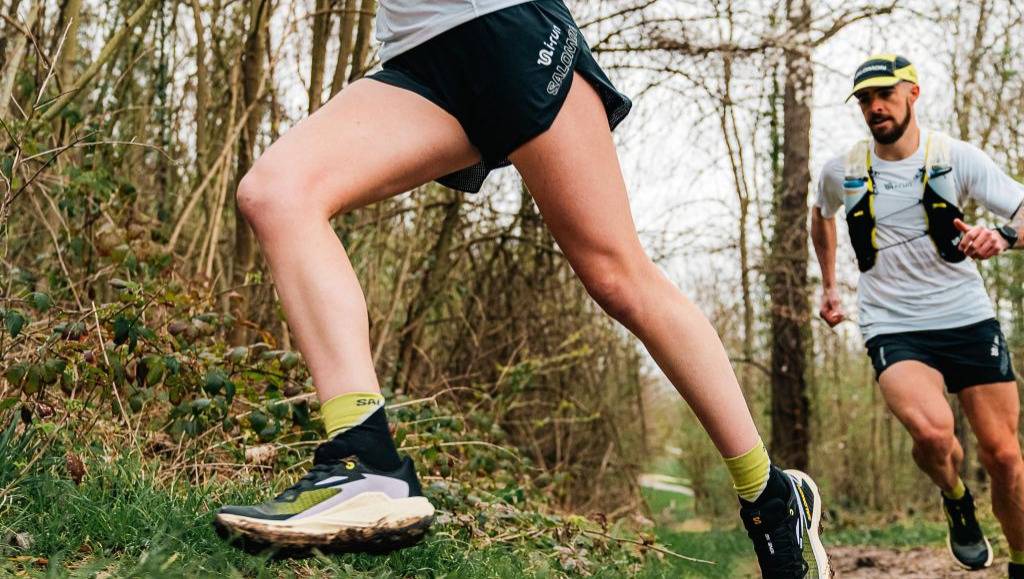
At i-Run, we work every day to offer you high-quality trail running shoes that are well known in the field, such as the Hoka Speedgoat, Salomon Speedcross, Saucony Peregrine, and Asics Fuji Lite. You will also find many other trail running shoe models from Asics, Salomon, Hoka, and Saucony, as well as numerous other leading brands, designed to suit all runner profiles and all types of terrain.
Because every runner is unique, we are here to advise you and help you choose the right trail running shoes with confidence.
Trail running is a form of running that takes place mainly on natural terrain such as mountain paths, forest trails, and hiking routes. Unlike road running, trail running involves uneven and technical surfaces, with frequent elevation changes, steep climbs and descents, and varied ground including rocks, mud, roots, and sometimes water crossings.
Starting trail running means discovering a new way of running that is closer to nature and more demanding both physically and technically. Distances vary widely, from short, accessible loops to ultra-trail races covering dozens or even hundreds of kilometres. This diversity allows runners of all levels, from beginners to experienced athletes, to find a format that suits their goals and abilities.
To progress safely, proper preparation is essential, especially when it comes to choosing the right equipment. Trail running shoes play a key role, offering enhanced grip, protection, and stability on uneven terrain. Selecting a pair that matches your running style, terrain type, and distance is crucial for comfort, confidence, and injury prevention.
Trail running appeals to runners looking for a stronger connection with nature and new challenges beyond asphalt. This discipline requires not only solid physical fitness but also the ability to adapt to changing terrain and weather conditions.
For those aiming to go further, ultra trail running represents a demanding challenge that combines endurance, mental strength, and self sufficiency. Before taking on this type of distance, it is essential to progress step by step. Improving in ultra trail running requires a gradual increase in training load, adaptation to long duration effort, and a solid understanding of race management strategies, including pacing, nutrition, and recovery.
Trail running is also a more introspective adventure, often practiced in remote and stunning environments, offering a unique experience of connection with oneself and with nature.

At i-Run, we offer a wide selection of trail running shoes, clothing, and accessories designed to meet the demands of off-road running. Discover trail shoes from leading brands known for performance and reliability, such as Salomon, with iconic models like the Salomon Genesis and Salomon Speedcross, as well as HOKA, ASICS, and Brooks. Each model offers specific features to suit different terrains, distances, and runner profiles, from beginners to experienced ultra-runners.
Trail running equipment goes far beyond footwear. Our range also includes technical trail running clothing, from breathable t-shirts and compression leggings to lightweight, weather-resistant jackets designed for changing mountain conditions.
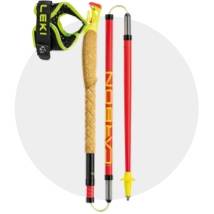
Accessories are equally essential for trail running. Whether you need hydration packs, headlamps for night runs, or trail running poles to improve stability and reduce leg fatigue, i-Run has you covered. Brands like Black Diamond and LEKI offer high-quality poles that help you stay efficient on steep and technical terrain.

Trail running shoes are specifically designed to handle challenging environments. Choosing the right pair depends on several key criteria, including your running gait, the type of terrain you run on, your typical distance, your training frequency, your foot shape, and even runner weight.
Every runner has a unique gait: neutral, overpronation, or supination. Identifying your gait helps you select trail shoes that provide the appropriate level of support and stability.
Terrain plays a major role in shoe selection:
For short or occasional runs, lightweight and flexible trail shoes may be sufficient. For frequent training or long-distance races, durability, cushioning, and long-term comfort become essential.
Foot width and arch type matter. Runners with wide feet should look for shoes with enough room in the forefoot, while narrow-footed runners may prefer a more secure fit. Leaving about a thumb's width of space at the toe helps prevent discomfort and impact injuries on descents.
Runner weight influences cushioning needs. Heavier runners generally benefit from enhanced cushioning and support, while lighter runners may prefer more responsive and agile trail shoes.

Nutrition and hydration are critical for trail running performance, especially over long distances. A well-tested nutrition strategy helps prevent fatigue, cramps, and digestive issues.
Energy gels, energy bars, and isotonic drinks provide a steady carbohydrate intake to fuel muscles throughout the race. Alternating textures and flavors can improve tolerance during long efforts.
Hydration is just as important. Drink regularly from the start, adjusting fluid and electrolyte intake according to weather conditions. Hydration vests and soft flasks make it easy to stay hydrated while running.
Depending on weather conditions, choose plain water or electrolyte drinks to compensate for mineral losses caused by sweating. Using a hydration bladder or soft flasks integrated into a trail running pack greatly improves access to fluids during the run.
In summary, eating and drinking well during trail running means planning ahead, testing your strategy in training, and adapting your intake throughout the race to maintain energy and mental clarity all the way to the finish line.

Trail running shoes are the most important piece of equipment. They provide superior traction, stability, and protection compared to road running shoes, making them suitable for rough and unpredictable terrain.
Trail running clothing should regulate body temperature and wick away moisture efficiently. Lightweight, breathable layers, windproof and waterproof jackets, and compression garments help maintain comfort in changing conditions.
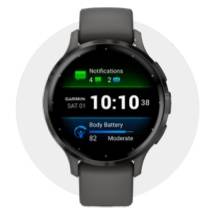
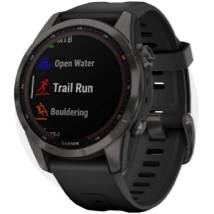
A smartwatch is perfectly suited for outdoor sports such as trail running. It allows runners to map their routes, track key health and performance metrics, and access personalized training programs. The Garmin Fenix and Garmin Tactix, for example, two highly popular sports watches from Garmin, are ideal companions for trail running thanks to their durability, long battery life, and advanced GPS features that ensure accurate tracking on the most demanding terrain.
In addition, the Garmin Epix stands out for its advanced navigation tools and its ability to create routes independently using integrated mapping, without the need for a smartphone. This makes it an excellent choice for trail runners seeking adventure and autonomy in the outdoors.
Certain trail running accessories are often essential, especially for long-distance runs or mountain races. A hydration pack or a hydration belt with water bottle holders is essential for carrying water and nutritional supplements during the race. Trail running poles can be particularly useful on steep or technical terrain, improving stability and helping to reduce leg fatigue over long distances.
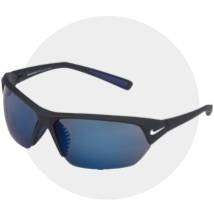
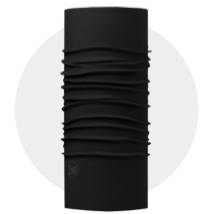
Sunglasses are recommended to protect the eyes, while a cap or headband helps shield runners from sun exposure or cold weather. A headlamp is also essential for races held in low-light conditions or during early morning and night runs. Finally, safety equipment such as a whistle, an emergency survival blanket, and a compact first aid kit can be crucial, especially in remote or mountainous environments. Equipment selection should always be adapted to the specific race requirements and the expected weather conditions.

Are you dreaming of taking your running sessions to a new level? Do you want to run in nature, explore remote places, and enjoy beautiful landscapes? Then trail running might be just for you. Combining running with nature, you're sure to enjoy this sport.
In this article, our experts share everything you need to start trail running with confidence. With over 15 pieces of advice and tips on preparation, nutrition, gear, and training, you'll be fully prepared to start your trail running journey.
Learn how to start trail running now.
Choosing the right trail running shoes depends on several factors, including the type of terrain, running distance, training frequency, the runner's gait, and foot shape. It is essential to select shoes that provide reliable grip, appropriate support, and optimal comfort to run safely on uneven and technical terrain.
At i-Run, you will find a wide selection of men's trail running shoes and women's trail running shoes suited to all runner profiles and practices, from beginners to experienced ultra trail athletes.
Reflective clothing plays a key role in trail running safety, especially in low light conditions such as early morning, dusk, or night runs. Reflective elements help make runners visible to other trail users, including cyclists, vehicles, and fellow runners, reducing the risk of accidents.
On isolated trails, they also make it easier for teammates or rescue services to locate runners if needed. Often integrated into trail gear (jackets, t-shirts, and shoes), reflective details provide passive safety while remaining lightweight and comfortable, without compromising performance.
Trail running clothing should fit properly to prevent chafing and irritation while still allowing full freedom of movement. It is important to try on garments to ensure they feel comfortable, stay in place during movement, and do not restrict mobility.
For trail running, choose technical clothing designed to handle the varied and unpredictable conditions of off road terrain. These garments should be breathable, effectively wick away sweat, offer protection from wind or rain when needed, and be durable enough to withstand contact with vegetation and rough surfaces.
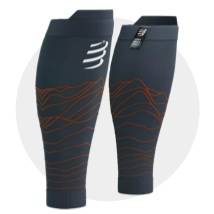
Compression garments can be beneficial for trail running. They may help improve blood circulation, reduce muscle vibrations during impact, and support recovery after exercise.
However, their effectiveness varies from one runner to another, so it is recommended to test them during training to determine whether they suit your individual needs.
Trail running clothing should be washed in cold water and air dried to preserve their technical properties, such as moisture management and breathability.
It is best to avoid fabric softeners, as they can damage these performance features.
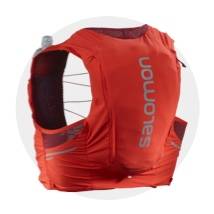
A hydration pack is an essential accessory for trail running. It provides a practical, comfortable, and efficient way to carry water and stay hydrated continuously without interrupting your run.
Trail running often takes place on varied and isolated terrain, which requires optimal hydration management, especially over long distances or in hot weather.
A hydration pack distributes weight evenly across the back, helping reduce fatigue. It usually includes extra pockets to carry essential items such as energy gels, lightweight clothing, and safety equipment. Thanks to its easy access drinking tube, it limits frequent stops and helps you maintain a steady pace while staying hydrated throughout the effort.
A GPS watch is essential for trail running because it allows you to accurately track your route, distance covered, elevation gain, and pace. This data is crucial for navigating unfamiliar terrain and for adjusting your training and race strategy.
For a long distance trail race, it is essential to prepare a trail pack containing everything needed for the run. This includes hydration such as a hydration pack or soft flasks, nutrition such as energy bars and gels, a first aid kit, extra clothing adapted to the weather, a headlamp with spare batteries for night runs, a whistle, and a survival blanket for safety.
It is also important to check the mandatory equipment list provided by the race organization.
For trail running, choose a sports watch with features adapted to off road conditions, such as GPS navigation, an altimeter to measure elevation gain, strong battery life for long outings, and optionally a heart rate monitor.
Depending on your level and needs, you can choose more basic models or advanced watches offering detailed performance analysis.
When choosing a trail running watch, battery life is essential, especially for long outings or ultra trail races. Many models offer more than 20 hours in GPS mode.
Prioritize a watch with accurate GPS and, if possible, navigation or mapping features to explore new trails safely.
Durability is also crucial. A watch that resists shocks, harsh weather, and demanding environments will be a reliable companion.
Adapt your choice to your specific needs, such as performance tracking, health metrics like heart rate and VO2 max, or advanced analysis tools to optimize your training.
Trail running shoes and road running shoes mainly differ in their design, which is adapted to the terrain.
Trail running shoes feature lugged outsoles for better grip on uneven surfaces, reinforced uppers to protect against natural obstacles such as rocks and roots, and increased stability for technical trails. They are often made from durable, sometimes waterproof materials to withstand harsh conditions.
Road running shoes, on the other hand, are lightweight and designed with generous cushioning to absorb impact on hard surfaces like asphalt. Their breathable uppers prioritize smooth movement and performance on regular terrain.
Each type of shoe is designed to meet the specific demands of its environment.
Altitude management is crucial during mountain trail races. It is recommended to arrive a few days before the event to allow your body to acclimatize.
Staying well hydrated, maintaining a comfortable pace to avoid early exhaustion, and paying attention to symptoms of altitude sickness are essential. Training at altitude before race day can also be beneficial.
Before a trail race, prioritize easy to digest foods such as rice, whole wheat pasta, quinoa, or sweet potatoes. These foods are rich in complex carbohydrates and moderate in fiber, protein, and fat.
During the race, consume easily digestible energy sources like energy gels, energy bars, or sports drinks, and remember to hydrate regularly with water or electrolyte beverages.
Running and trail running mainly differ in terrain and conditions. Running usually takes place on flat and regular surfaces such as roads or tracks, while trail running is practiced on natural terrain like mountain paths, forests, or technical trails.
This involves specific challenges such as climbs, technical descents, and natural obstacles like rocks, mud, and roots. Beyond terrain, the two disciplines also differ in terms of required equipment.
In road running, running shoes are lightweight and feature effective cushioning designed to absorb impact on hard, even surfaces such as roads or tracks. Running clothing is typically designed to maximize breathability and provide a high level of freedom of movement. Accessories are generally limited to phone armbands or running belts, GPS running watches, and occasionally hydration packs for long-distance runs.
In contrast, trail running requires specialized gear to adapt to uneven and technical terrain. Trail running shoes offer enhanced grip, increased protection against natural obstacles such as rocks and roots, and superior stability. Trail running clothing is designed to withstand changing weather conditions, using waterproof and windproof materials. Finally, accessories such as trail running poles, hydration packs, headlamps, and advanced GPS watches are essential to ensure comfort, safety, and performance on the trail.
As a result, road running focuses on lightness and smooth movement, while trail running emphasizes durability and adaptability to natural terrain.
Trail running requires good balance, muscular strength, and stability, particularly in the legs and core.
Exercises such as squats, lunges, proprioception work like single leg exercises, and core strengthening for the abdominal and back muscles are essential.
It is highly recommended to train on terrain similar to what you will encounter during races.
This helps adapt running technique, improve balance and proprioception, and become familiar with challenges such as rocks, roots, and elevation changes.
The purpose of trail running often goes beyond pure athletic performance. Practicing trail running means embracing an immersive outdoor experience, combining personal challenge with a deep connection to nature. Unlike road running, which primarily focuses on speed and time records, trail running encourages runners to take on physical and technical challenges across varied and sometimes rugged terrain, where every race is unique.
Steep climbs, technical descents, rocky or muddy sections put endurance, strength, and agility to the test. But trail running is also a quest for serenity and adventure. Running through breathtaking landscapes, discovering remote locations, and facing natural elements all contribute to a powerful sense of freedom and personal achievement. Trail running is therefore about more than sport. It is about exploration, self discovery, and connecting with the natural environment.
To manage a trail running descent effectively, we recommend adopting a slightly forward leaning position to maintain control and avoid excessive braking, which can quickly fatigue the legs. Use short, quick strides to reduce impact on the joints, adjusting your cadence to match the terrain. Keep your eyes looking ahead to anticipate obstacles and choose the best line.
Hold your arms slightly out to the sides to improve balance, especially on technical sections. Wear trail running shoes with reliable grip, and use trail running poles when necessary to stabilize your movement. Finally, adapt your pace to your skill level, stay smooth and confident, and aim to combine safety with efficiency on the descent.
Uphill sections are often considered one of the most demanding aspects of trail running, as they place significant stress on the leg muscles, the cardiovascular system, and mental endurance. To improve your uphill performance, it is essential to adopt the right technique. Shorten your stride, maintain a steady pace, and use your arms efficiently to balance the effort.
Training also plays a key role, with strength training exercises such as squats, lunges, and core workouts, as well as specific sessions like hill repeats or runs with elevation gain. Using trail running poles can further reduce fatigue by distributing the workload between the arms and the legs.
Finally, energy management is crucial. Adjusting your pace, staying properly hydrated, and fueling correctly help maintain a sustained effort on long climbs. Improving uphill running requires a combination of technique, physical preparation, and strategy, making it a key focus for trail runners looking to enhance their performance.


