



New Balance
Fresh Foam X 880 V15

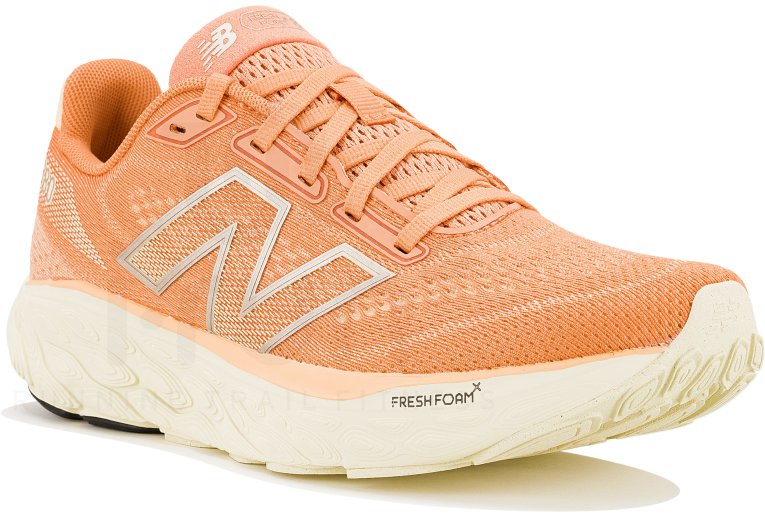
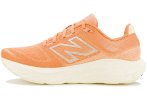
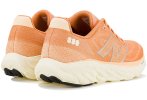
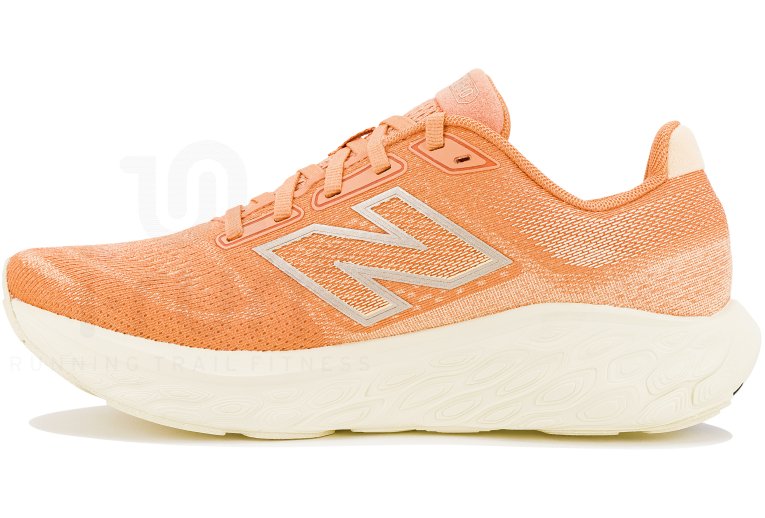
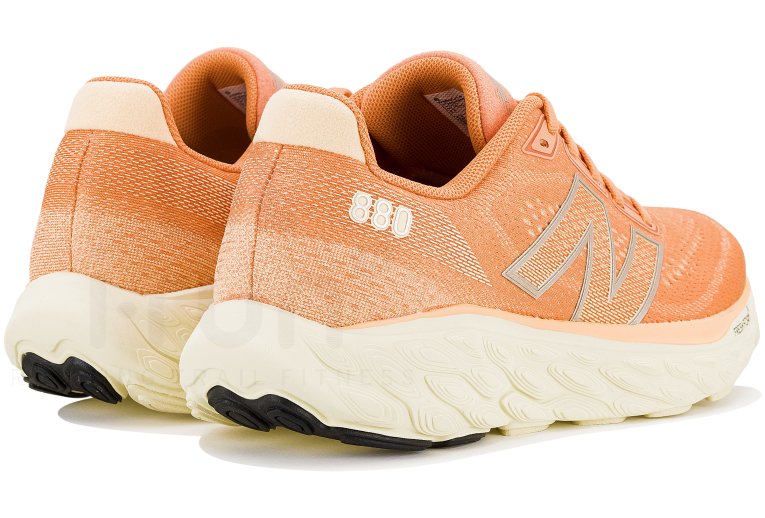
Lightweight, the New Balance Fresh Foam X 880 V14 shoe for women combines comfort and stability during your running training over all distances.
Fresh Foam X 880 V14, for what type of athlete, what use, what distance, and what surface?
This reliable model meets the needs of all types of athletes looking for good cushioning. It is recommended for both beginner runners and more experienced practitioners.
Designed for your training sessions, it accompanies you serenely during your daily running sessions on roads and marked paths.
Versatile, it is perfectly suited for all distances, whether for a 10km or a marathon.
New Balance Fresh Foam X 880 V14, what use?
+ This shoe offers a good balance between comfort, cushioning, and responsiveness during your regular runs. Its features make it an accessible pair for everyone, accompanying you kilometer after kilometer.
- It is not focused on speed; for intensive use in competition, you should opt for the New Balance SuperComp Elite V4.
Why choose the Fresh Foam X 880 V14 from New Balance?
Designed for maximum comfort and lightness, it has many advantages such as:
Fresh Foam X 880 V14, what's new?
Compared to the previous version, the Fresh Foam X 880 V13, this new iteration offers:
Characteristics of the Fresh Foam X 880 V14 running shoe
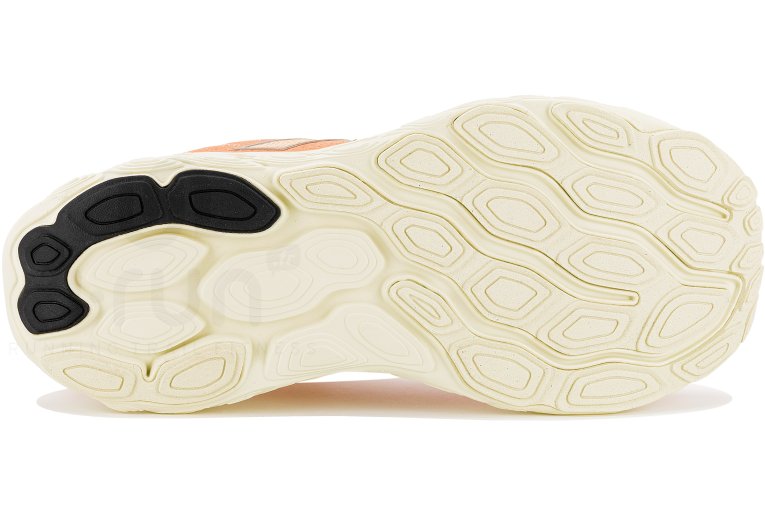
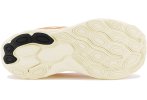
This piece of carbon-reinforced rubber is placed at the heel to prevent premature wear of the outsole, where the impact during the landing phase is the greatest.
Even if the exterior of the shoe appears to be in good condition, be aware that the cushioning and support materials begin to degrade after 800km. Beyond 1200km of use, we recommend replacing your pair of shoes.
Lightweight and breathable upper that provides a dynamic and stable fit.
The latest version of New Balance's renowned foam, the Fresh Foam X, offers high-performance cushioning that provides explosive energy return and a comfortable, natural bounce with every stride.
The Green Leaf standard unique to New Balance highlights the presence of environmentally friendly materials. For textiles that meet this standard, 50% or more of the materials used must be part of an eco-responsible approach. This means they can come from recycled fibers or, as with cotton, from sustainable farming methods (such as the Better Cotton Initiative, for example).


