

)
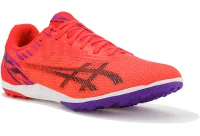
Nike Rival Multi
Secure support and cushioning. Highly versatile for sprinting, hurdles, jumps, and middle-distance events.

Find the best athletics equipment on i-Run.fr. Discover a wide selection of track spikes, clothing, and accessories for men and women, designed to help you perform on the track and excel in your favorite athletics discipline.
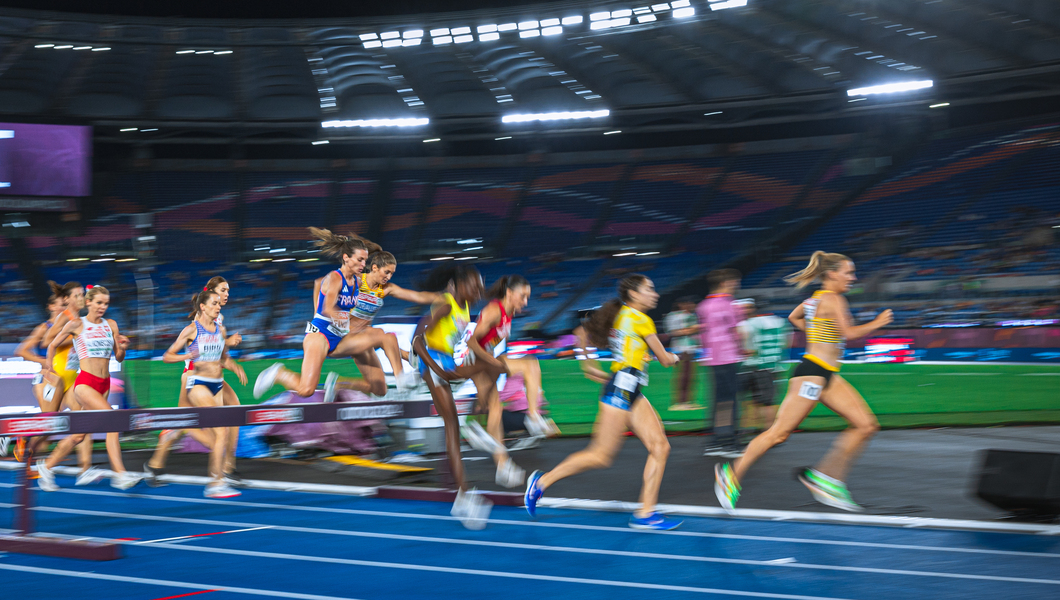
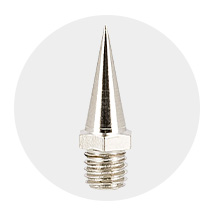
Equipment is much more than a matter of comfort or style. It is a key factor in performance and injury prevention. In athletics, every detail matters: shoes adapted to your discipline and running gait, men's and women's athletics clothing that allows full freedom of movement, and accessories such as spikes, watches, or compression sleeves. All of these elements play an important role.
When you train intensely on a daily basis, your body is under constant strain. Being well equipped means giving yourself the best possible conditions to improve and perform, both in training and on competition day.
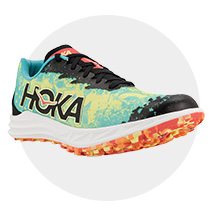
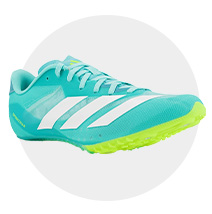
When starting out in athletics, the key is to find versatile shoes that allow you to try and get familiar with different athletics disciplines. The following athletics spikes are suitable for all athlete levels, including competitors, while offering the advantage of great versatility for beginners.
)
)
)
)
)














Athletics includes both out-of-stadium disciplines such as cross-country, running, and race walking, and stadium events, including track races and field events.
Sprints, middle-distance, and hurdles races are run in lanes and reward the athlete who crosses the finish line first after the starting signal. When margins are extremely small, athletes are separated by a photo finish to determine who crossed the line first with their torso. Photo finishes can even happen in the marathon.
Hurdles races follow the sprint format, but athletes must clear obstacles placed at regular intervals on the track. There are two main formats: high hurdles (60 m, 100 m, 110 m hurdles) and low hurdles (300 m, 400 m hurdles).
Race walking is an endurance discipline that requires strong technical precision. It is contested on the road and is based on two fundamental rules: one foot must remain in contact with the ground at all times, and the front leg must stay straight from first contact until the body passes over it. These rules create the sport's characteristic motion, smooth yet controlled. Judges placed along the course monitor compliance. After three warnings, an athlete may receive a penalty or be disqualified. The technique requires a high level of coordination between propulsion, core stability, and relaxed shoulders to maintain speed while staying legal. The main distances are 20 km and 35 km, with 35 km on the World Championships program but not the Olympic Games. The discipline demands aerobic endurance and technical accuracy to sustain speed under strict rules.
Sprint, middle-distance, and hurdles races are run in lanes and reward the athlete who crosses the finish line first after the starting signal. Sprinters start from a crouched position, pushing off starting blocks and staying low until the starter's signal.
Focus and reaction time are decisive in short sprints, while acceleration quality and the ability to maintain speed are crucial over 100 m or 200 m. The 400 m is a very specific event, where lactic tolerance is essential and athletes still need an exceptional speed base.
Indoors, only the 60 m and the 400 m are run in championships. The indoor 400 m is held over two laps, and athletes break to lane 1 before the end of the first lap.
Cross-country races take place outdoors on natural terrain mixing grass, mud, sand, and elevation gain. Courses vary from 4 to 12 kilometers depending on category and event. Starts are massed and positioning after the first straight is crucial. Several formats exist.
Cross-country demands power, endurance, and adaptation to weather conditions. Spiked shoes with varying spike lengths (9 to 18 mm) are often used to improve traction. Athletes from many middle- and long-distance events, both track and road, compete in these races. Mountain runners and trail runners also shine here every year. Cross-country is not only individual. Most qualifications for regional or national championships are team-based, and team medals are awarded all the way up to international championships.
Jumping events assess power, speed, and coordination.
Middle distance (800 m, 1500 m, 3000 m steeple, 5000 m)
Middle distance events require both speed and endurance. In championships, these races are
highly tactical and demand excellent effort management and the ability to finish with a strong sprint.
Athletes no longer run in lanes, and as in sprinting, the winner is the athlete who crosses the line first.
In meetings, pacemakers are often present. Their role is to lead the field at a
specific pace to encourage fast reference times, such as qualification standards for World
Championships, or national, continental or world records. A light pacing system can also be used in meetings.
This is known as wavelight, invented by Bram Som, a former athlete and highly respected
pacemaker of the 2010s.
Indoors, only the 800 m, 1500 m and 3000 m are contested in championships.
Long distance
The 10,000 metres is the flagship long distance track event, but it is only run outdoors.
Athletes complete 25 laps in a pure endurance race, where pace consistency and the ability to finish strongly
determine performance. In championships, races are extremely tactical, sometimes very slow before a final
kilometre that rivals the finishing speed seen in the 5000 m.
Road long distance
The marathon is the longest Olympic running event and is contested on the road. It covers a distance of
42.195 km. Aid stations are placed regularly along the course, and athletes must manage hydration, pace and
resistance to heat. Pacemakers are present at most major marathons worldwide to help elite athletes
achieve the best possible performance.
Throwing events measure power and technical skill. Javelin includes a run-up on the track, while the other throws take place from specific throwing areas. Athletes have six attempts, and the best attempt determines the ranking.
Combined events bring together multiple disciplines over two days, with performances converted into points based on an official scoring table. The top athlete is the one with the highest total after both days.
Women's heptathlon
Men's decathlon
Endurance, versatility, and quick recovery are decisive. Indoors, women compete in a one-day pentathlon and men in a two-day heptathlon. It is not unusual for combined-events athletes to have near world-class levels in certain disciplines.
Since athletics covers multiple disciplines and requires a wide range of physical qualities, we recommend different types of shoes depending on your training sessions and goals.
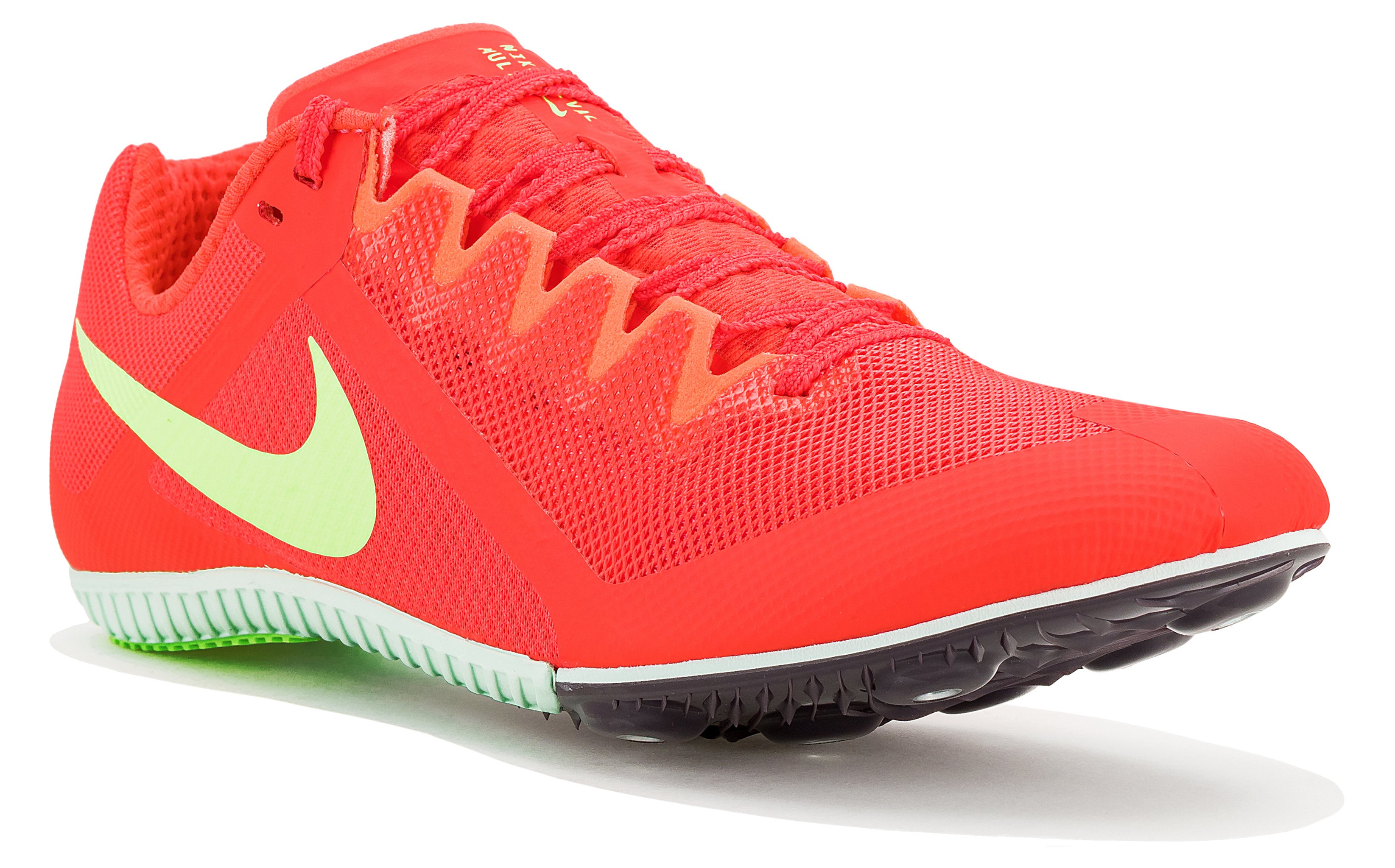
Spikes are designed for specific sessions and track competitions or cross-country races. They deliver maximum grip and responsiveness, but they require some muscular adaptation due to their stiffness and minimal cushioning. Discover men's athletics shoes and women's athletics shoes at the best prices on our website.
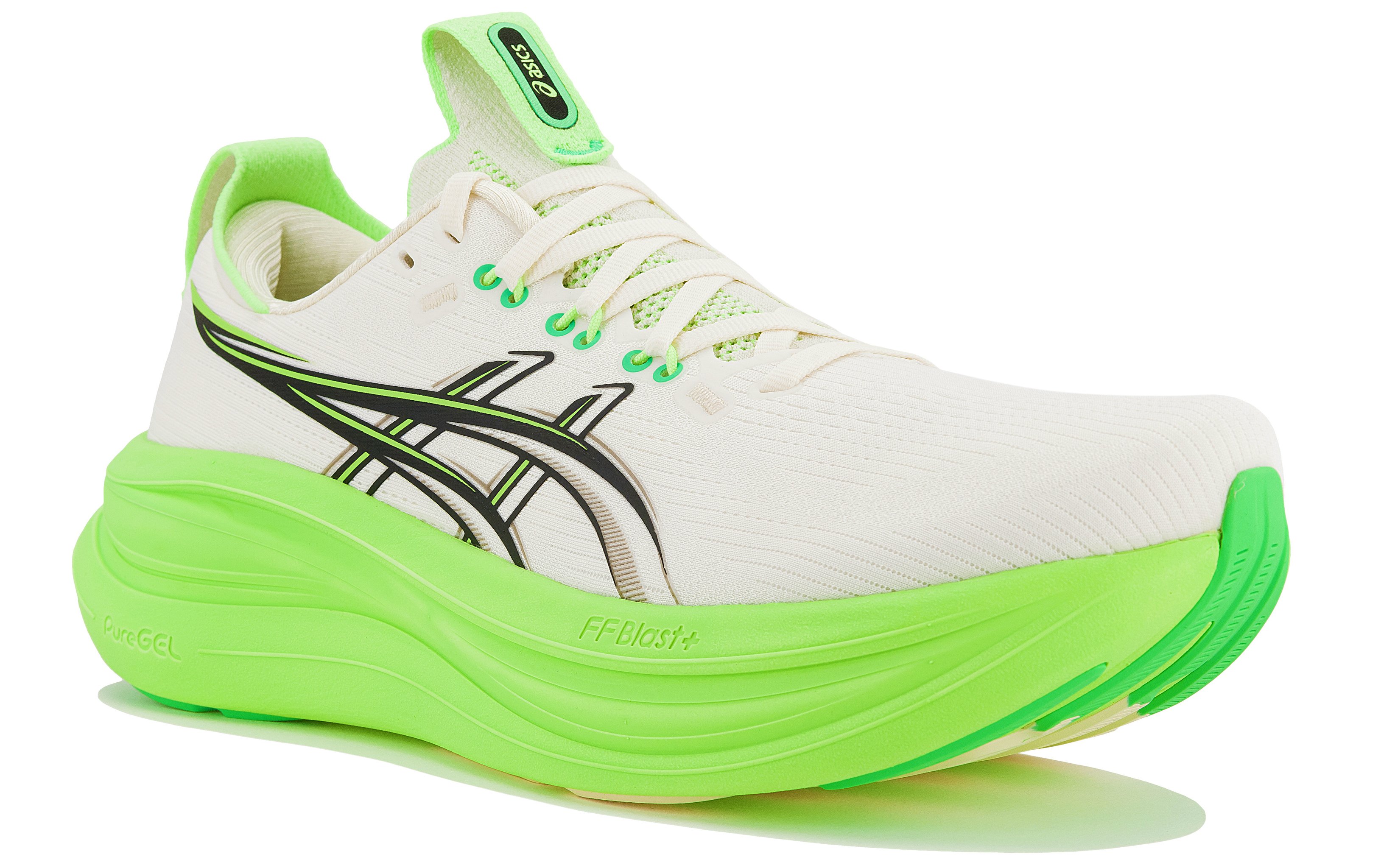
Running shoes are ideal for warm-ups, drills, and strength and conditioning. Models such as the ASICS Gel-Nimbus, Brooks Glycerin, Nike Pegasus or the New Balance Fresh Foam 1080 are ideal for most training sessions.
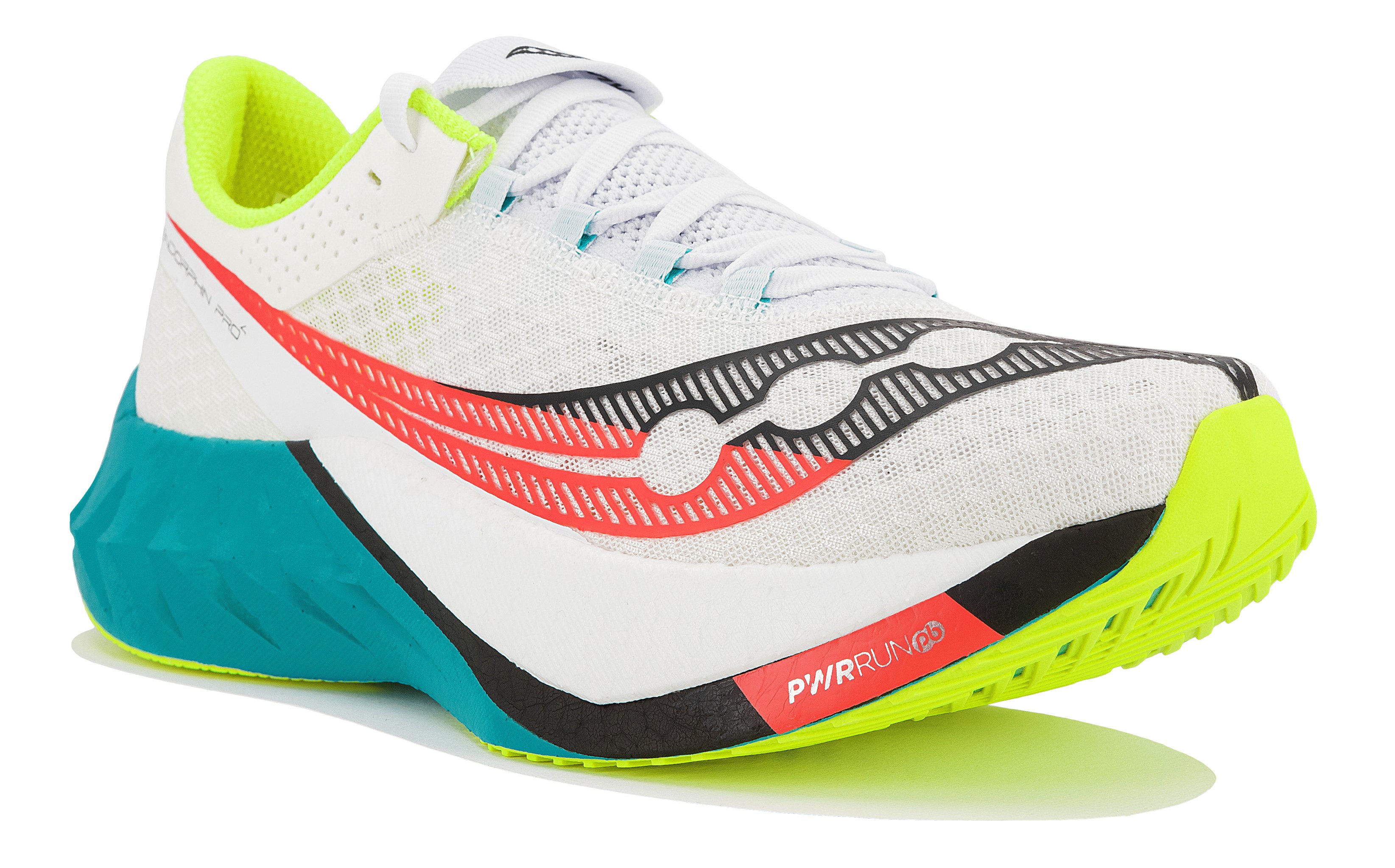
Performance running shoes can replace spikes for committed athletes competing in race walking or road events. We recommend carbon plate models such as the Nike Vaporfly, adidas Adizero Takumi, New Balance SC Elite, Brooks Hyperion Elite or the Saucony Endorphin Pro.
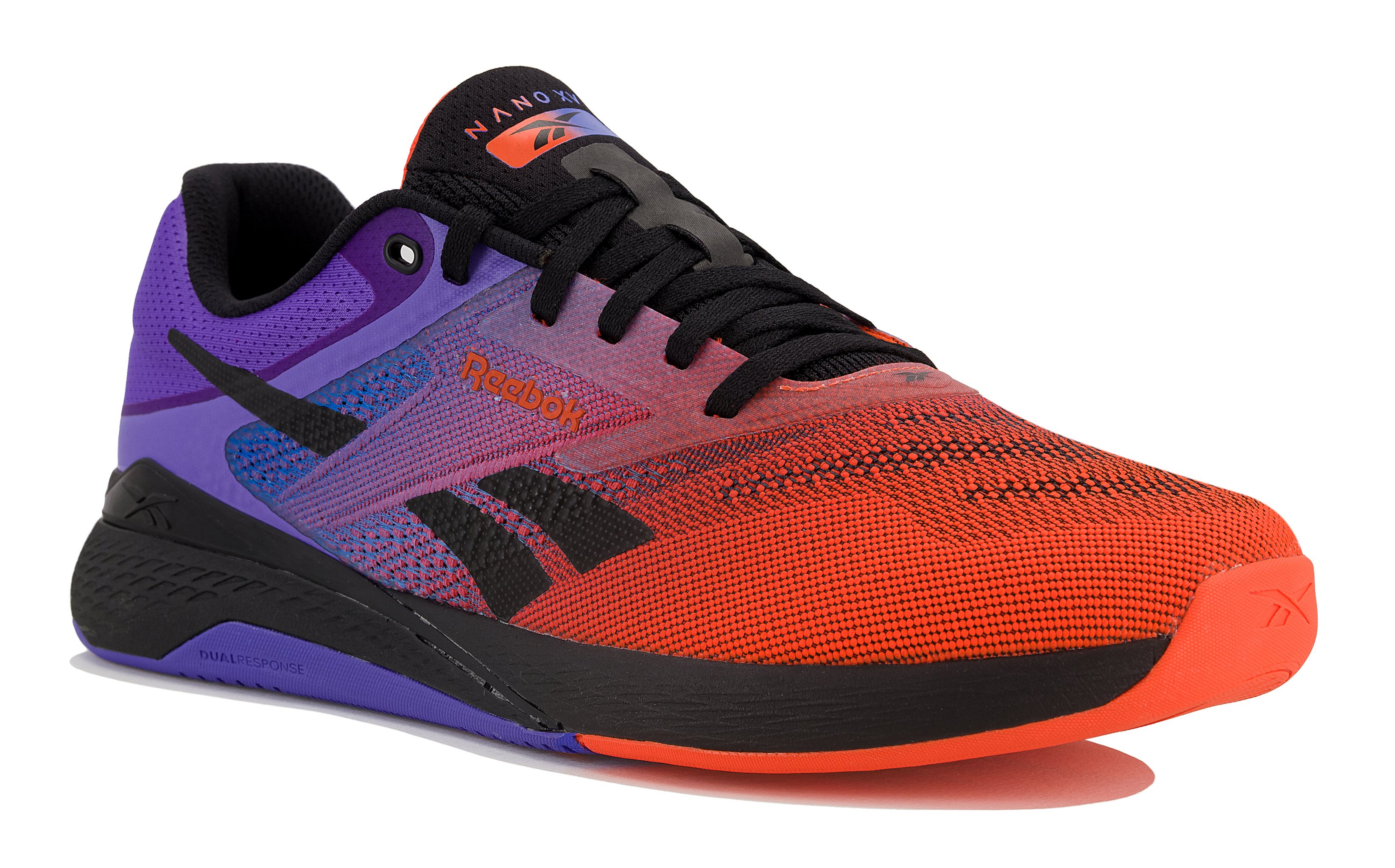
Indoor training shoes are designed for strength training, core workouts, and indoor conditioning. They feature a flat, stable outsole for secure footing and better control during strength or coordination exercises. If you only want one pair for training, a versatile model can also work.

The oldest known athletic tradition dates back to Ancient Greece with the Panhellenic Games and later the Ancient Olympic Games. These competitions, rooted in religious rituals, included running events (stadion) as well as early examples of throws (discus) and jumps (pentathlon). Frescoes and pottery illustrating these disciplines have survived through the centuries and provide insight into these practices. These traditions were revived in France during the Revolution through the Olympiads of the Republic, which introduced timed events. The first competitive ultra distance walking events, sometimes lasting several days, also appeared during this period.
Modern athletics emerged within European universities. Across the Channel, students from Oxford and Cambridge competed as early as 1864 in inter university matches featuring seven events, including a 140 yard hurdles race and a 2 mile cross country race with barriers (steeplechase, the forerunner of the modern steeple).
In France, the discipline also developed within academic and school environments, more specifically in Parisian high schools. The first school running clubs appeared around 1875. Stade Francais was founded in 1883 by students from Saint Louis, while Racing Club was created in 1882 by pupils from Condorcet and Monge. The first competition between these two clubs took place in 1887, a precursor to todays Interclubs, now a flagship event of the athletics season for clubs of all sizes. The first French Championships were organised in 1886 and initially included only running events. Field events such as jumps and throws were added in 1892. The organisation of the modern Olympic Games from 1896 onward accelerated the growth of athletics. Twelve events, all for men, were contested in Athens, including jumps, throws and races. Athletes were amateurs at the time, while professional runners competed in long distance events outside the Games.
This commitment to amateurism remained a core value of the sport until the 1970s. The International Amateur Athletics Federation (IAAF) was founded on 17 July 1912 to structure competitive athletics, establish rules and coordinate national federations. At the time, it included 17 member federations, compared to 212 members of World Athletics in 2025.
Among the most well known regulatory developments over the decades are the principle of amateurism, the standardisation of 400 m athletics tracks (for example, Olympic tracks measured 330 m in 1896, 500 m in Paris in 1900 and 1924), and the regulation of disciplines and competitions, updated almost every year in the Book of Rules. The 1928 Games introduced five womens events, including the 800 m, 100 m, 4x100 m relay, high jump and discus throw. The marathon and combined events were added in 1984. Between 1996 and 2008, the remaining womens distance and field events were added to the programme, including the 10000 m, 5000 m, 3000 m steeplechase, pole vault and triple jump. The number of events continued to grow, reaching 48 from 2020 onward. The Paris 2024 Games were the first to feature full gender parity, with 23 womens events, 23 mens events and two mixed relays. The first synthetic tracks appeared in Mexico City in 1968, replacing cinder tracks. In 1982, athletes were authorised to receive prize money for competitive results, marking the end of amateurism and opening the door to sponsorship.

The predecessor of the FFA, the Union of French Running Societies, was founded in 1887. With the arrival of new sporting disciplines, it evolved into the Union of French Athletic Sports Societies (USFSA), and the first specialised committees were created.
In 1920, the USFSA was dissolved and 400 of its member clubs voted to create a dedicated athletics federation.
The French Womens Athletics Federation, affiliated with the FFA, was founded in 1936 before the two organisations merged in 1940. The FFA oversees and organises athletics in all its forms in France:
Good to know: non Olympic athletics disciplines, including Nordic walking, road running outside the stadium, mountain running and trail running, are all disciplines affiliated with the FFA.

Today, athletics at the international level is structured around two main types of events:
To get started in athletics, it is simple. We recommend a pair of running shoes for training, a pair of spikes for competition, plus technical shorts and a technical t-shirt. You can also add:
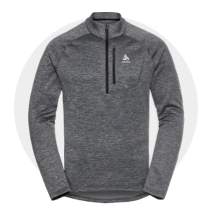
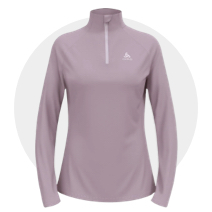
For athletics, it is important to wear comfortable clothing that supports good temperature regulation and also lets you move freely.
We also recommend bringing a waterproof jacket for wet conditions, looking for waterproofing rated at or above 10,000 Schmerber, or even 20,000.
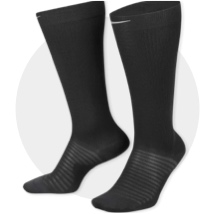
We also recommend choosing a good pair of technical socks, usually made from synthetic fibres, and avoiding cotton, which can cause irritation when you sweat heavily, as is often the case in athletics.
A pair of athletics spikes should feel like a natural extension of your foot. They must provide excellent support while ensuring optimal comfort.
Choosing the right model depends on several criteria, in order of priority: the discipline, the athletes level, and the intended use (combined events, training or competition), then your running gait, and finally any previous injury history.
An athletics shoe should be more snug than a running shoe. However, your foot must stay securely held without any feeling of compression.
For sprint and jumping events, it is recommended to choose a very snug fit, with very little room at the front. In middle distance and distance events, which last longer, we recommend allowing a few extra millimetres to maintain comfort over time.
Finally, in cross-country and especially in long cross-country, it is advised to allow a little extra room, particularly to account for wearing thicker socks in winter, when these are worn with spikes.
The most reputable athletics brands are adidas, Puma, Reebok, Nike, Saucony, Asics, Hoka, On and Brooks.
These must have references equip athletes on the track, in cross-country and at the biggest international competitions.
They design athletics spikes and athletics shoes specifically adapted to each discipline: sprint, middle distance, distance, hurdles, jumps or cross-country. Lightweight design, traction, responsiveness, foot support and propulsion are at the heart of the innovations developed to meet the demands of performance, both in training and in competition.
On our i-Run website, find the best athletics brands and a wide selection of athletics gear: mens athletics shoes and womens athletics shoes, spikes suited to your discipline, technical clothing and essential accessories to perform on the track and beyond.
Athletics spikes are mandatory in track competition up to middle distance. They help optimise grip, propulsion and foot responsiveness, which is essential to perform over short and middle distances such as sprint, hurdles or middle distance.
However, for training or long distances, it is possible to use more cushioned running shoes to limit fatigue and reduce the risk of injury. Your shoe choice should always take into account the discipline, the athletes level and the type of session (competition or training).
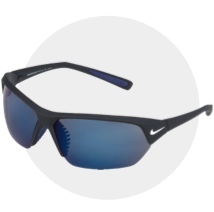
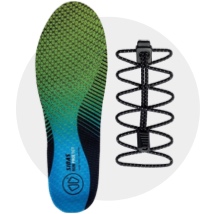
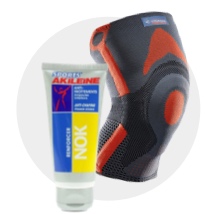
To practise athletics effectively, whether on the track, in cross country or indoors, certain accessories are essential to improve performance, comfort and safety:
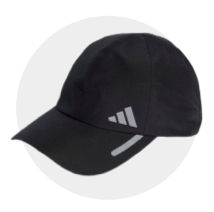
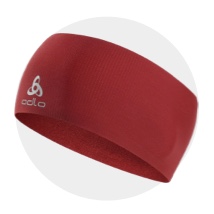
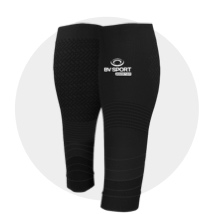
Do not forget complementary accessories such as compression sleeves, headbands, technical socks or sports bags to carry all your gear.
Choosing the right accessories helps maximise performance, prevent injuries and optimise athletics training, whether you are a beginner or an experienced athlete.
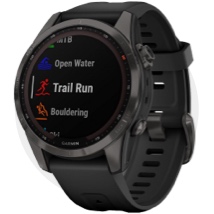
To choose the right athletics watch, you should base your decision on your discipline and specific needs. Here are the key features to prioritise:
The most commonly used watches by athletes are Garmin Forerunner, Coros Pace, and Polar Vantage. These watches provide precision, versatility and advanced performance tracking.
The big debate in athletics remains whether to wear socks with spikes or not.
If you choose to wear them, it is recommended to opt for thin, breathable and technical socks that do not interfere with foot support or ground feel. We recommend models such as Incylence Ultralight or Sidas Run to ensure comfort, breathability and performance. These socks help reduce friction and prevent blisters, while maintaining the precision and responsiveness needed for sprints, jumps or distance races.
To extend the lifespan of your athletics shoes while preserving performance, follow these 4 golden rules: