


COROS
Nomad

Having a GPS watch is a valuable asset for all sports enthusiasts, whether you practice running, trail running, hiking, fitness or any other activity, and whatever your level. A smartwatch provides accurate and useful data such as distance covered, running pace or heart rate. Some models offer advanced technologies like navigation, workout programming or pace adjustment based on elevation, helping you optimize your performance both in training and in competition.
To choose the ideal GPS running watch, start by considering three key criteria: GPS accuracy, strong battery life and an integrated heart-rate monitor. For more advanced tracking, many additional features can make a real difference, such as route navigation, music stored directly on the watch, pace adjustment based on elevation or automatic transitions for multisport activities like triathlon. Discover our selection to support your training effectively.
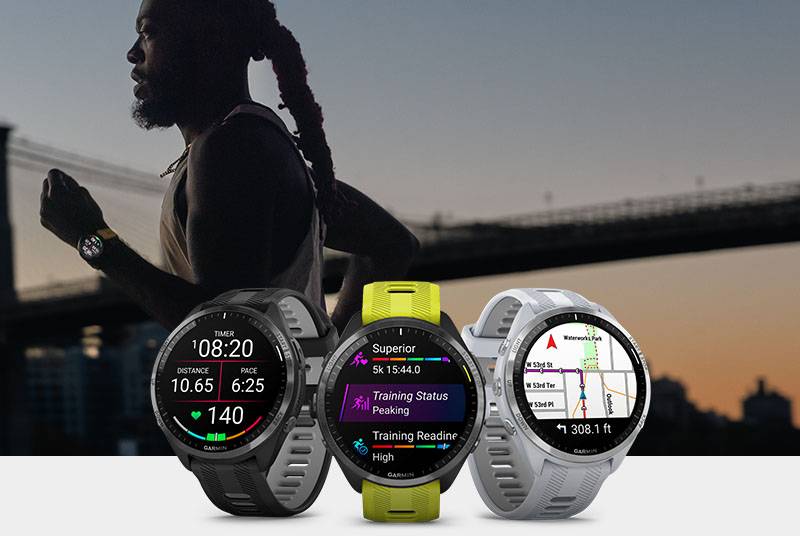
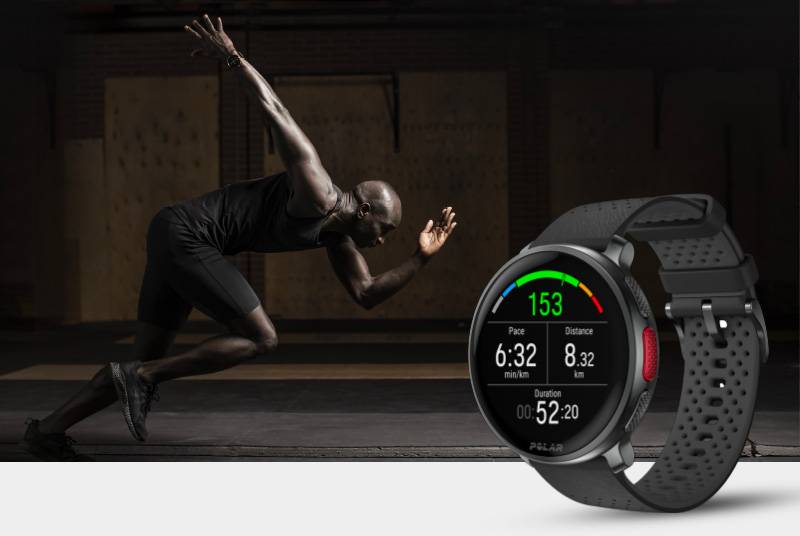
For the most daring athletes in search of performance.
➔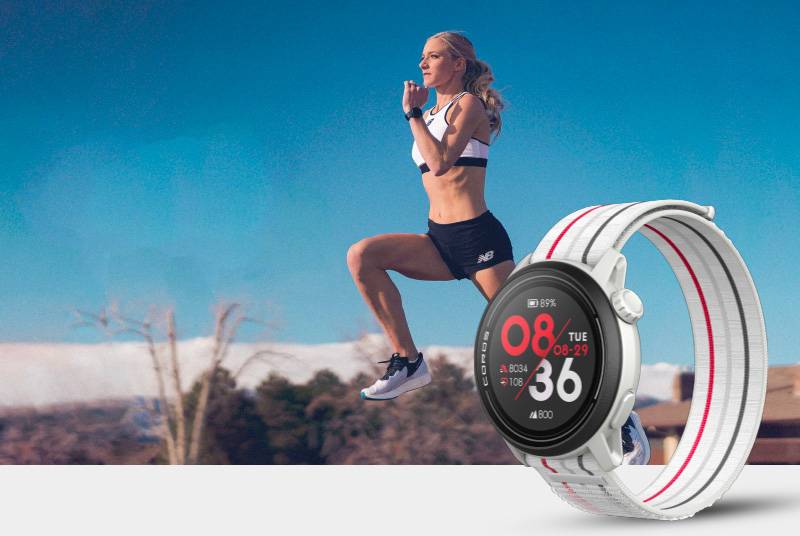
Take on new challenges and enjoy exceptional battery life.
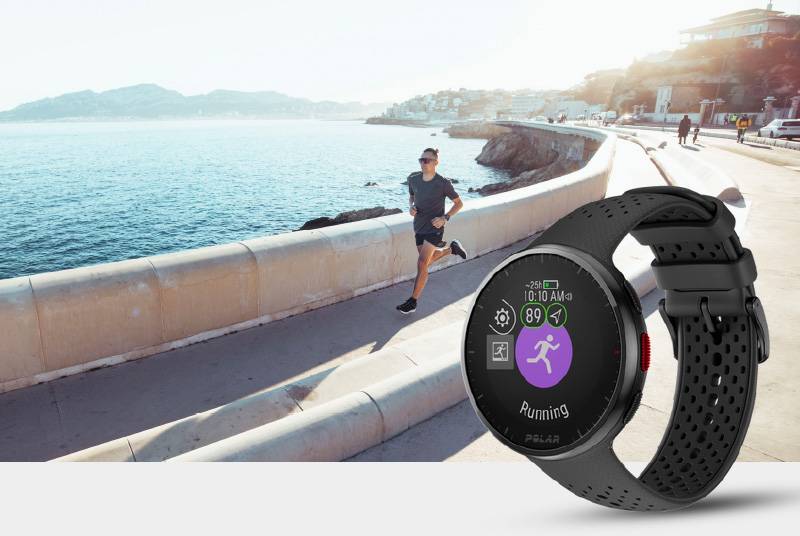
➔
Versatility for your urban and outdoor adventures.
➔For trail running, hiking or trekking, it's important to choose a GPS watch that is rugged, waterproof, highly accurate and offers long battery life. Features such as an altimeter, barometer, compass and reliable navigation are essential for a successful outdoor adventure. Discover our selection to guide you across every type of terrain.
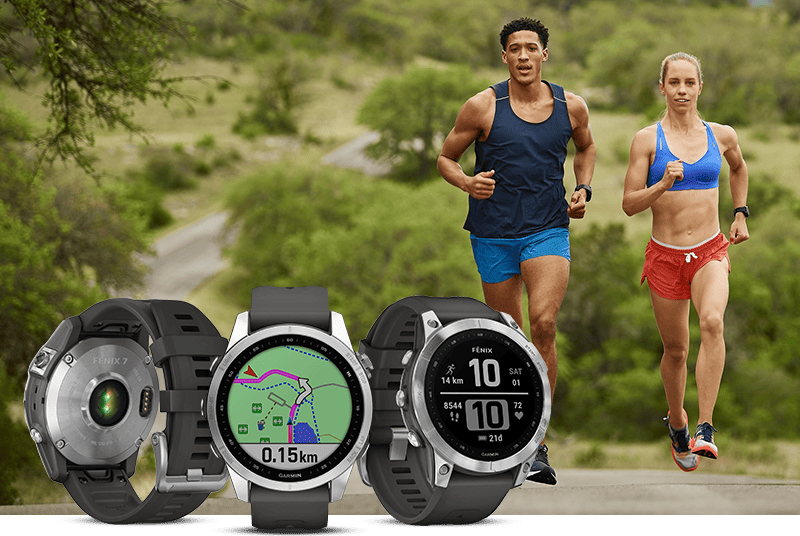
For the most daring athletes in search of performance.
➔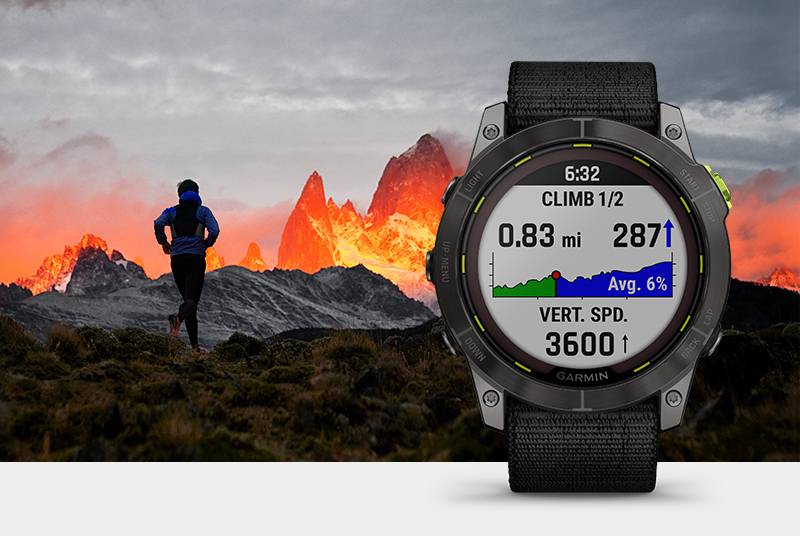
Take on new challenges and enjoy long life.
➔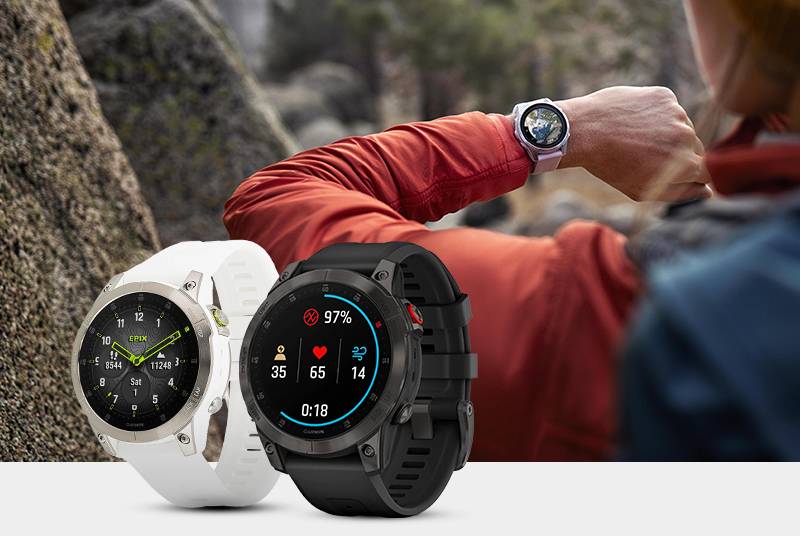
Versatility for your urban and outdoor adventures.
➔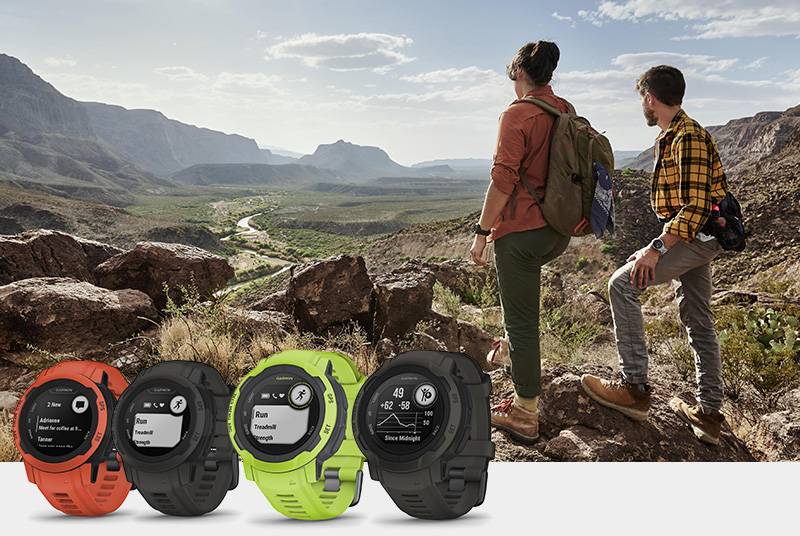
Rugged design, built for intense outdoor use.
➔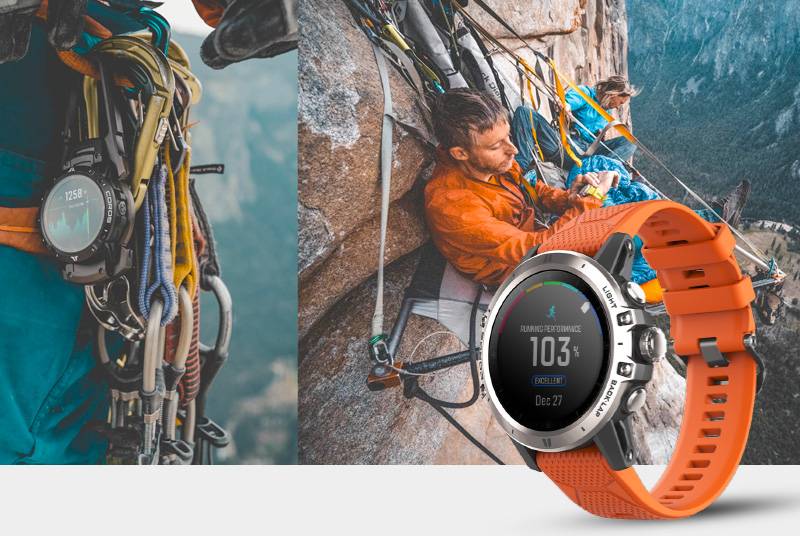
Ultra-rugged for long expeditions.
➔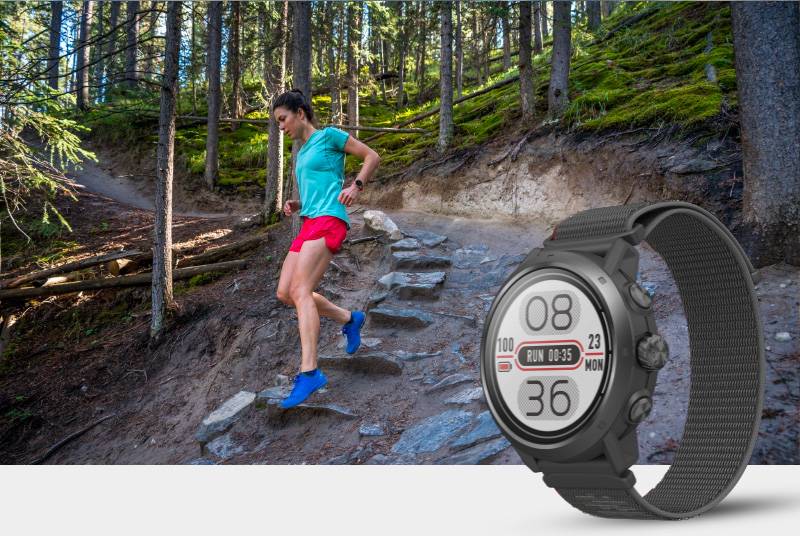
Reliable and powerful for demanding athletes.
➔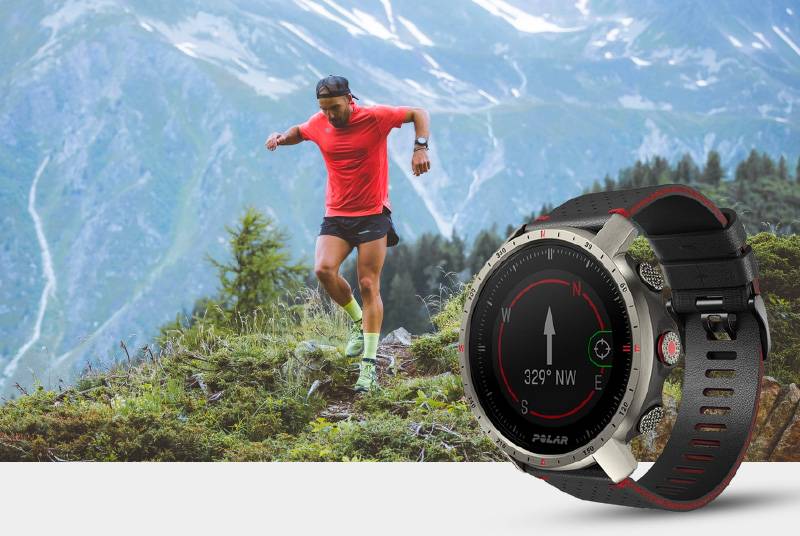
Move with confidence in any environment.
➔
Improve and conquer all your sporting challenges.
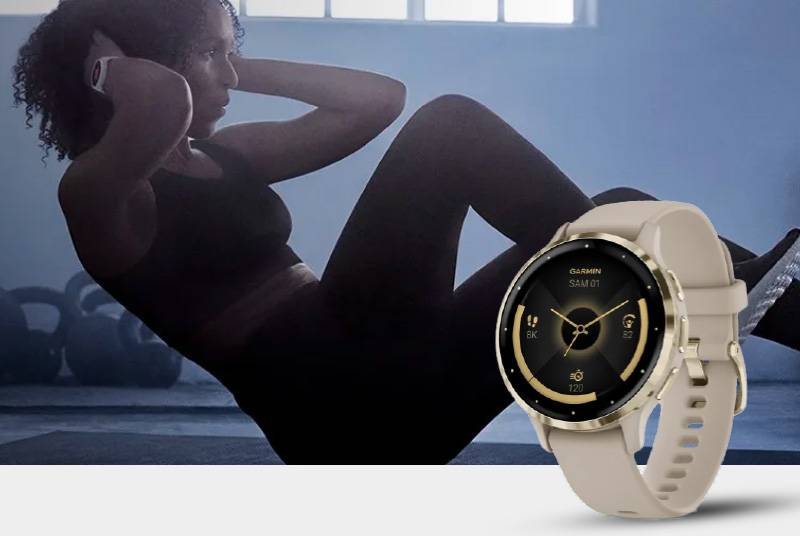
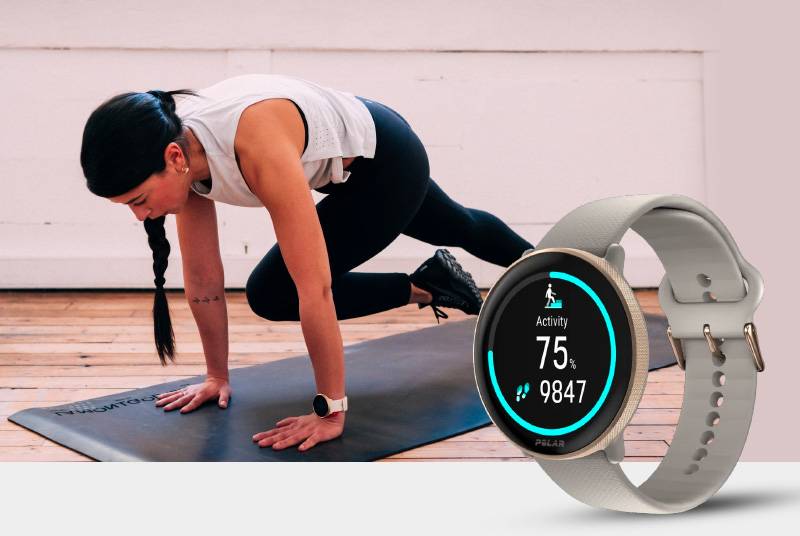
➔Selecting a GPS watch suited for fitness and HIIT training requires focusing on precise activity tracking. You also need a responsive interface that resists sweat during intense sessions. Essential features include heart-rate monitoring, calories burned tracking, recovery time analysis, and seamless connectivity with fitness apps. For more advanced athletes, some models even offer animated workout sessions displayed directly on the watch screen. To enhance your fitness and HIIT routine, discover our selection of fitness watches and our selection of sports watches designed to boost your workouts.
For the most daring athletes in search of performance.
➔
Take on new challenges and enjoy exceptional battery life.
➔
Versatility for your urban and outdoor adventures.
➔
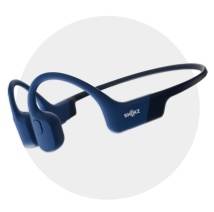
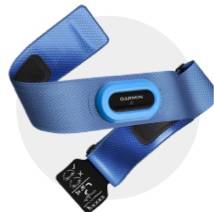
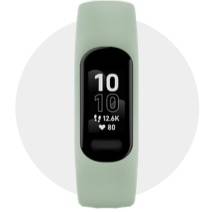
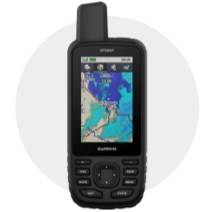
Complete your GPS sports watch setup with the best accessories for running, trail and outdoor activities. At i-Run, you'll find everything you need to boost both performance and comfort. Choose premium headphones for focused training, precise heart-rate straps for accurate data and a wide range of watch bands or activity trackers to suit your style. For outdoor adventurers, our selection of hiking GPS devices offers reliability and safety on every route. Explore our catalogs and find the accessories that match your needs.
 AMOLED Display
The AMOLED (Active Matrix Organic Light Emitting Diode) technology refers to a type of display that uses organic components to emit light when an electric current passes through them. It is highly valued in GPS watches for its ability to offer vibrant colors and deep blacks, thus improving readability in all lighting conditions.
 Mapping
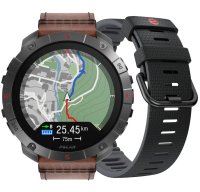
Integrated mapping in GPS watches refers to the feature that allows maps and routes to be displayed directly on the watch screen. This function is useful for hikers, runners, trail runners, and outdoor explorers. It helps navigate and plan routes in unfamiliar or complex environments. The presence of detailed maps on the GPS watch makes it easier to follow the route and indicates the directions to take, making outdoor adventures safer and more enjoyable.
 Touchscreen
A touchscreen watch refers to a device equipped with a screen that allows the user to interact with the watch's features by touching the screen directly, rather than using buttons. This technology makes it easier to navigate menus, select options, and access training or navigation data intuitively and quickly. It is appreciated in daily life and during physical activities. Athletes can consult and view their statistics or adjust settings without interrupting their session. Some sports modes, such as swimming, surfing, or cross-country skiing, allow the touchscreen to be disabled.
 Sapphire Glass
Sapphire glass, used in some watches, is known for its remarkable scratch resistance and durability. This type of glass, made from crystallized aluminum oxide, stands out for its exceptional hardness, second only to diamond, making the watch screen extremely resistant to impacts and scratches. It is especially appreciated for GPS and adventure sports watches, where robustness is essential.
 Altimeter
An altimeter is a measuring instrument that determines altitude or elevation relative to sea level. It is useful for hikers, mountaineers, and skiers who want to track their elevation gain, plan ascents, or simply know their current altitude. GPS watches equipped with an altimeter often use barometric pressure sensors to calculate altitude changes, providing users with valuable information about their vertical environment.
 Titanium Watch
A titanium watch is equipped with a case, and sometimes a strap, made of titanium, a metal known for being lightweight and highly resistant. Titanium has the advantage of being as strong as steel but about 45% lighter. The watch is therefore comfortable to wear, even for long periods. In addition, titanium is hypoallergenic, ideal for people with sensitive skin. Titanium GPS watches are appreciated by athletes and adventurers for their durability, comfort, and corrosion resistance. They are perfect for use in extreme conditions.
 LiveTrack
LiveTrack is a feature offered by some GPS tracking devices that allows you to share your location and performance in real time with friends, family, or coaches via the internet. It is designed to improve safety by allowing others to follow your progress during activities such as running, cycling, or hiking. The LiveTrack feature on a GPS watch is ideal for staying connected and safe, allowing your loved ones to encourage you and participate virtually in your adventures.
 Solar Watch
A solar watch is equipped with photovoltaic cells capable of converting light into electrical energy, thus extending the watch's battery life. Solar watches are perfectly suited for daily use as well as outdoor activities, offering peace of mind knowing that the watch stays charged longer when exposed to light.
 Music
MusicThanks to the music feature on GPS watches, users can store, manage, and listen to music with Bluetooth headphones directly from the watch. This means you can leave your smartphone at home and fully enjoy your workout. This feature is ideal for athletes who want to stay motivated with their favorite playlists during training sessions or outdoor outings. GPS watches equipped with this function offer a convenient and clutter-free listening experience.
Staying in good physical shape means staying active, whether your workouts are moderate, regular or intensive. For sports enthusiasts, whether you practice running, fast walking, trail running, hiking, fitness or marathon training, using a GPS watch is essential. These watches provide accurate data such as distance, pace and speed, allowing real-time performance monitoring and helping you get the most out of every session.
At i-Run, we understand how important it is to find the GPS sports watch that truly meets your needs. This is why we guide you in choosing the ideal model, ensuring a richer and more effective sports experience.

For any athlete, whether a beginner or an expert, a GPS watch is an essential accessory. It provides a wide range of key functions that help assess the effectiveness of each of your training sessions.
Whether you are running, cycling, swimming, or hiking, a GPS watch allows you to:
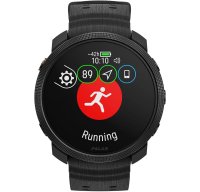
GPS watches have become essential tools for athletes. They combine heart rate monitor functions with advanced capabilities such as GPS and sometimes an altimeter. They not only track heart rate to help manage workout intensity, but also record detailed activity data such as distance covered, speed, routes, and step count. The vast majority of current models include these features, making it possible to program workouts and track them live.
These GPS watches offer an extensive range of functionalities such as sleep analysis, personalized training programs, notifications, and safety features. As a result, GPS watches become indispensable companions that optimize training and improve sports performance, regardless of the activity or the athlete's level.

The GPS watch market for running and trail running is dominated by several renowned brands, offering a wide range of features suited to all athlete levels:

Useful, practical, and true technological Swiss Army knives, GPS sports watches have become indispensable companions for sports enthusiasts. They not only bring structure to training sessions, but also provide meticulous performance tracking. Thanks to their accuracy, connected watches make it possible to analyze sports performance and its progression over time in detail, offering a complete picture of the user's improvement.
Using a GPS watch enhances the sports experience with several key benefits:
A watch with high-precision GPS can adapt to a wide variety of activities. In addition to running, it is extremely useful for trail running and hiking, providing athletes with orientation tools and precise data on their surroundings and position. It is equally beneficial for indoor sports such as fitness or weight training, where heart rate monitoring and calorie expenditure are particularly useful.
Whatever the discipline, indoors or outdoors, a sports watch proves to be a versatile tool suitable for a wide range of exercises and sports environments. It enables real-time performance tracking, helping to maximize the benefits of each training session and enrich every sports experience.

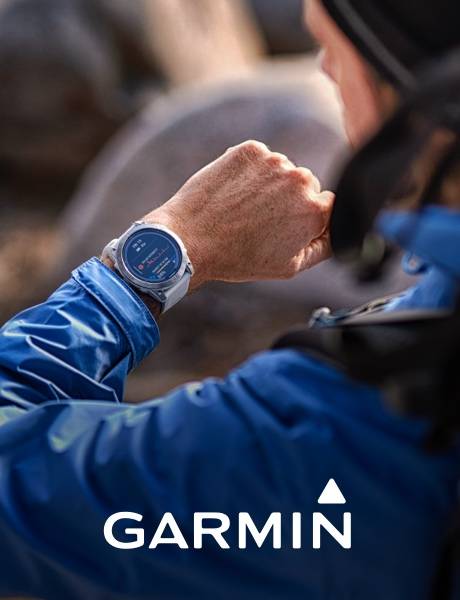
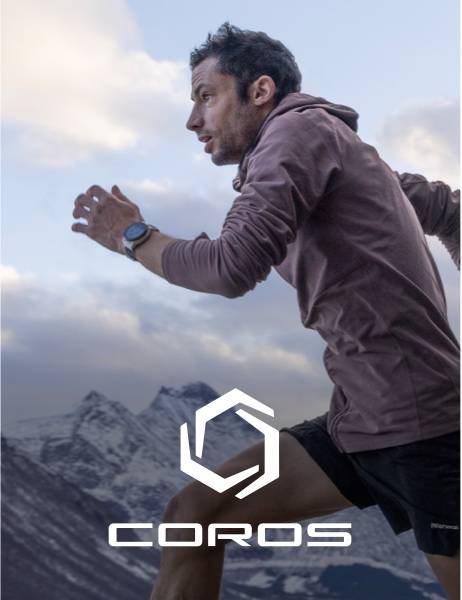
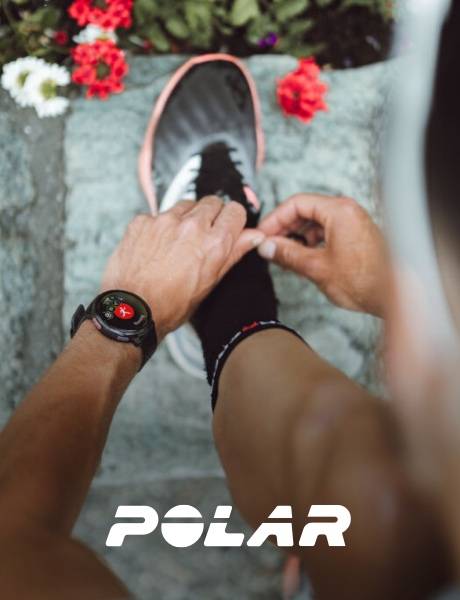
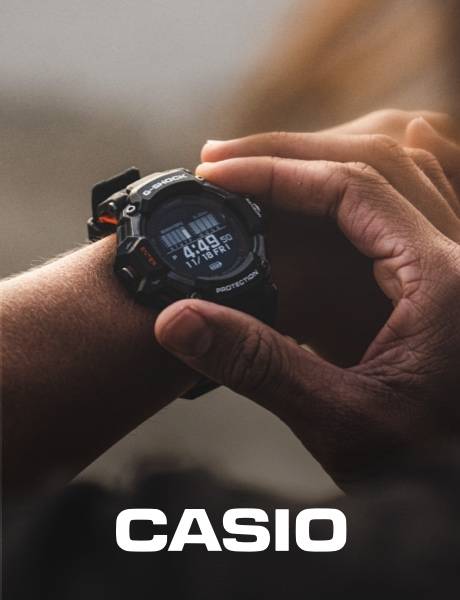
Now an essential accessory for sports enthusiasts, the GPS sports watch is developed by several major brands such as Garmin, Coros, Polar, or Casio, for example. These brands have produced a multitude of models on the market, which can make the consumer's choice more complex.
However, to simplify the process, it is important to rely on a number of relevant selection criteria. Below are the main ones:
GPS is used to know your position, see which route you have taken since the start of the activity, and identify the route to follow to reach the finish. There are three types of GPS tracking:
In addition, a good GPS watch should offer sufficient battery life to support athletes during long training sessions. It should not require frequent recharging over long distances, particularly for ultramarathon runners or hikers.
The display of a GPS watch, whether round, square, or rectangular, plays a crucial role that goes far beyond aesthetics. It should be chosen based on functionality and practicality. Ergonomics and readability are key when selecting a display, especially depending on how you plan to use the watch.
You can opt for a touchscreen, which offers intuitive and quick use, making it easier to access features during training. Choosing a larger display can improve the athlete's experience, as it provides better visibility and makes information easier to read at a glance. This is particularly useful in environments where quick attention to the screen is required.
The integration of a heart rate monitor into the GPS watch represents a significant advancement. It allows heart rate to be measured directly at the wrist via a sensor, eliminating the need for athletes to wear a chest strap or wrist strap to monitor heartbeats.
This feature ensures greater freedom of movement and enhanced comfort during training. It also allows users to set alerts based on heart rate zones, making it easier to adjust training according to specific performance or wellness goals.
Mobile apps associated with GPS watches play a crucial role in supporting athletes. Through direct access to the brand's website or via a dedicated mobile app, they simplify the transfer of training data. This allows users to receive in-depth analysis of their progress and performance over time.
These apps also make it possible to set personalized training goals and access expert advice to improve technique and performance. In addition, they help boost motivation by enabling users to share their achievements with a community of athletes, creating a stimulating and encouraging environment.
Battery life is a key factor when choosing a GPS watch, as it directly reflects its quality and reliability. Before purchasing, we recommend checking how long the watch can operate without recharging, which is essential for long training sessions or competitions.
Battery life can vary significantly depending on the features activated on the watch, such as continuous GPS tracking, the use of a music app, or a heart rate monitor. Therefore, choosing a watch with battery life suited to your specific needs and training intensity is crucial for an optimal experience.
The size of a GPS watch, whether small or large, has a significant impact on how your session unfolds. The size of the watch should be chosen according to wrist size and the type of activity you practice.
We therefore recommend selecting a GPS watch whose size matches your wrist. This ensures optimal comfort during exercise while guaranteeing that the watch remains functional and easy to read, regardless of the intensity or type of sport. A well-fitted watch allows not only for accurate tracking, but also for a pleasant user experience, without discomfort or distraction during training.
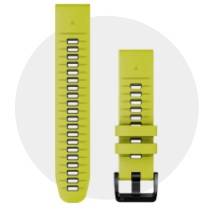
Since the watch must remain on the wrist throughout the activity, its strap needs to be highly comfortable. It should also be flexible, adjustable, and easy to tighten. The best materials for a GPS sports watch strap are silicone and nylon.
In addition to comfort, flexibility, and adjustability, it is also important to consider resistance to water and sweat, especially for those who practice water sports. A hypoallergenic strap can also be an advantage to avoid skin reactions during long periods of use. Choosing a strap that meets these criteria ensures a hassle-free training experience, allowing you to focus fully on your performance.
In summary, each GPS sports watch has different features and functionalities that allow you to perform many actions without your phone, such as:
Feel free to check the product pages written by our teams and contact our specialized customer service, who will help you choose the model best suited to your needs.
The GPS in a sports watch works by receiving satellite signals to accurately determine your position on Earth. The watch captures signals from several satellites (usually three or more) in orbit and calculates your position using triangulation.
This allows the watch to track data such as distance, speed, and altitude in real time, while also recording your route. This geolocation system does not require an internet connection, making GPS watches ideal for outdoor activities like running, hiking, or trail running.
To choose the right GPS watch for your sport, start by evaluating your specific needs. If you are a runner, regardless of your level, look for a watch with accurate distance tracking and a heart rate monitor.
Hikers and outdoor adventurers may prefer a watch with detailed maps and a compass. For everyday use, consider battery life, design, and health-tracking features. Also make sure the GPS watch is compatible with your smartphone for easy synchronization.
Battery life varies depending on the model and how it's used. In active GPS mode, a watch can last from a few hours to several days. GPS watches designed for ultra-trail running or long hikes generally offer the best battery performance.
In standard watch mode (without active GPS), some can last several weeks. It is important to check the battery specifications when choosing a watch.
GPS watches come with a wide range of features dedicated to both navigation and activity tracking. They provide real-time geographical positioning, and precisely measure distance, speed, pace, and in some cases, altitude.
With various integrated sensors, these watches can monitor heart rate, analyze sleep quality, and evaluate daily activity levels. The most advanced versions offer detailed mapping, turn-by-turn navigation, and compatibility with a wide range of sports such as running, swimming, cycling, or hiking—making them highly versatile and suitable for many needs and preferences.
Most GPS watches can operate independently without being connected to a phone. They use GPS satellites to track your position and calculate distances directly from the watch.
However, certain advanced features like receiving notifications, real-time weather updates, or downloading maps may require a smartphone connection.
Many GPS watches are designed to be water-resistant, meaning they can be used for swimming. However, the level of water resistance varies between models. This level is measured in ATM (atmospheres).
A GPS watch rated 5 ATM is generally considered safe for swimming. Always check the water-resistance rating before using your watch in water to ensure it suits your aquatic activities.
Your sports watch GPS works without an internet connection. It uses satellites to determine your position and calculate distance, speed, and altitude in real time.
Unlike apps that require network access, the watch's GPS relies solely on satellite signals, making it ideal for outdoor activities like running, hiking, or trail running, even in areas without network coverage.
GPS watches have proven to be essential tools for athletes of all levels, offering precise tracking and a wide range of features suited to many sports. Whether you're running, trail running, hiking, or doing fitness activities, these watches provide detailed performance monitoring, effective training management, and a better understanding of your overall health-making them a top choice for both amateur and professional athletes.
At i-Run, our goal is to offer the best selection of GPS watches for every discipline, ensuring each athlete finds the ideal equipment to support their performance and achieve their goals.
GPS watches available on our i-Run website are designed for many sports: running, trail running, hiking, triathlon, cycling, swimming, fitness, and more.
Each model offers features adapted to the specific requirements of each sport, whether in terms of GPS accuracy, battery life, or performance tracking. Find the ideal watch for your sport on our i-Run website.
A GPS watch and a smartwatch are not exactly the same. A GPS watch is mainly designed to track sports performance, using satellites to provide accurate data on distance, speed, and routes. The GPS works without an internet connection.
A smartwatch, on the other hand, offers a wider range of features such as notifications, calls, music control, and payments, and may also include GPS. A smartwatch is therefore more versatile, while a GPS watch is primarily focused on optimizing sports performance.
Discover the best-selling GPS sports watches on i-Run! Garmin, Coros, Polar... Whether you're looking for new releases or promotions, find iconic models such as the Garmin Fénix, Garmin Epix, Garmin Forerunner, Polar Pacer or Coros Pace.
Taking inspiration from the most popular watches is also a great way to find one that best matches your needs and goals.
It is particularly useful to have GPS on a connected sports watch. This feature allows you to accurately track distance, speed, pace, and routes without relying on a smartphone.
Whether you practice running, trail running, hiking, or cycling, built-in GPS helps optimize your training, explore new routes safely, and analyze your performance with reliable, detailed data. GPS becomes an essential ally for progressing effectively, following your goals independently, and fully enjoying outdoor activities, even in areas without mobile coverage.
GPS watches increasingly include wrist-based heart rate sensors, convenient and easy to use. However, for more precise data during intense efforts or interval training, a chest strap remains the most reliable option, as it measures heart rate directly from the chest.
In summary, you can use your watch without a strap for recreational or regular use, and with a strap for fine-tuned performance analysis.
The AMOLED display on a GPS watch offers vibrant colors, high contrast, and excellent readability indoors or in low-light conditions, making it ideal for daily connected use. However, it consumes more battery.
The transflective display (often used in watches designed for outdoor sports) is simpler but perfectly readable in bright sunlight and ensures much longer battery life. The choice depends on your usage: design and visual comfort for everyday use (AMOLED) or performance and endurance outdoors (transflective).
To extend the lifespan of your GPS watch, regularly clean the case and heart rate sensor with a soft, slightly damp cloth. After exposure to saltwater or chlorinated water, rinse the watch with clean water.
When charging, use the cable provided by the brand and avoid leaving the watch plugged in permanently to preserve the battery. Finally, store it in a dry place, away from extreme temperatures.
Solar GPS watches have photovoltaic cells integrated into the screen, which help extend battery life using sunlight.
In practice, they provide a noticeable benefit for athletes who spend lots of time outdoors (trail running, hiking, running, ultra-trail), but the effect is limited if the watch is mostly used indoors. Base battery life still depends primarily on the battery itself, but solar charging is a real advantage for maximizing time between charges.