



Silva
Free Speed 2500



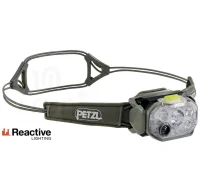


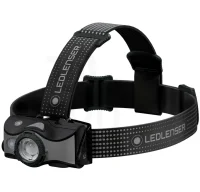


The headlamp is one of the most useful pieces of equipment for runners and trail runners. It is also an essential hiking accessory. The headlamp has even become mandatory in many competitions such as the UTMB. It is essential not only from a safety perspective, providing sufficient night-time visibility and helping prevent serious falls, but also from a practical point of view, as it allows you to see while keeping your hands free. Are you looking for a headlamp for trail running, a headlamp for running, road running or hiking, preferably rechargeable? Follow our advice to find the model best suited to your activity.
A headlamp allows you to see during night runs or evenings at a bivouac. Some headlamps are even intelligent: they adapt the light intensity and beam angle according to the environment. Among the most recognized headlamp brands are Petzl, Silva and Ledlenser. To choose the right headlamp, take into account:
Thanks to LED headlamps, you can benefit from very good battery life, ensuring optimal lighting even during long races.
Battery life can range from around ten hours to several hundred, depending on the model. By choosing a battery-powered trail running headlamp or running headlamp, you opt for an easy-to-use model. We recommend battery-powered headlamps for long expeditions or trips to remote areas. They are also more affordable.
The disadvantage of a battery-powered running headlamp is that the quality of the lighting often decreases as the batteries run down. However, some lamps are designed to provide a stable light output that only decreases slightly as the battery is used. This is known as a regulated-output headlamp. It provides more consistent lighting, but be careful, as the light can suddenly switch off when the batteries are depleted. Another important factor to consider is the "burn time". This indicates how many hours a headlamp can produce usable light at a distance of at least two metres.
This type of operation is more sustainable. In everyday use, mains recharging is also much more economical. However, the initial investment is higher. Rechargeable headlamps can show their limits on long treks unless you carry external batteries to recharge them.
The light produced by your headlamp is expressed in lumens. Depending on the modes available on your running or trail running headlamp, you can access lower-power settings.
Headlamps range from 15 lumens to 750 lumens or more. For a night run where it is not completely dark, 40 to 50 lumens should be sufficient. For deep trails in dense forests, you will need a model capable of producing at least 100 lumens for adequate visibility. It is up to you to decide whether you need a very powerful headlamp for fairly short runs or lower brightness for longer routes that are already partially lit.
Beam range indicates how far the lamp can project light. It is practical and reassuring to see far ahead, but it is also important to have sufficient width for good peripheral vision. The beam can therefore be wider or narrower depending on your needs:
To determine the water-resistance level of your trail running or running headlamp, check its IP rating (Ingress Protection):
Headlamps can feature several modes depending on the type of lighting and brightness you need. Most offer at least a high and low mode. Others may include additional modes. These include:
Each outdoor sport has its own specific requirements. Our different headlamp models meet the demands of each activity.
A rechargeable headlamp is very practical because your outings rarely reach the battery's maximum runtime. We recommend a power output of 150 to 200 lumens with a narrow beam that illuminates far ahead. If you run in a group, a headlamp with a red light helps limit glare for your training partners. These three models should meet your needs:
For short distances, follow the same recommendations as for a running headlamp. For ultra-trail running, the requirements are higher. We recommend a headlamp with a minimum output of 500 lumens and a focused beam. A rechargeable lamp remains a very good option, provided you make sure it is fully charged at the start. For example, you can choose:
When hiking, your slower movements allow you to choose a headlamp with a wide or mixed beam. In terms of power, 100 to 150 lumens is sufficient on easy terrain. If you are moving over rugged terrain, we recommend headlamps with 150 to 300 lumens. We have selected two models for you:
You will find many types of headlamps incorporating a wide range of innovations such as:
Our selection of headlamps helps keep you safe during all your night-time outdoor activities. With a Petzl headlamp, for example, you can better anticipate the route ahead or enjoy excellent comfort when it is time to rest at a bivouac.