


Petzl
Actik Core 600 lumens

Whether it's during the transition to winter time, early morning runs or late evening workouts, running in the dark is often part of a runner's routine. Discover how to choose the right headlamp to both see clearly and be seen.

The practice of running is not limited to daylight hours. Between winter training sessions, night runs and the constraints of everyday life, running in the dark can become essential for many runners. To move safely in low light, an appropriate running or trail headlamp is indispensable.
Discover the advice of our expert Nicolas, a passionate runner for more than 20 years. He shares his experience on i-Run to help you choose a high performance headlamp for running, adapted to your needs and to the terrain you prefer.
Before choosing a headlamp, it is essential to evaluate the level of brightness required for the terrain you train on. Brightness, expressed in lumens, directly affects visibility, safety and running comfort.
With the wide range of headlamps available for running and trail running, it can be difficult to know which one to choose. Compact, lightweight, powerful, rechargeable or battery powered: each headlamp has its own specific features. To make the right choice, you first need to understand the technical criteria that make a difference, starting with brightness.

When I run in the city, a headlamp with 100 to 200 lumens is enough. Since streets are usually well lit, the goal is not to illuminate the entire environment but rather to light up darker areas and, most importantly, to be seen. I prefer compact and lightweight headlamps for running. These models are perfect for early morning jogs or weekday training sessions.
For daily urban use, a simple and lightweight LED headlamp remains the best choice. Whatever brightness level you are looking for, Petzl headlamps are a reliable reference. For your city runs, you can choose the Petzl Bindi, which provides 200 lumens of brightness. It fits easily into a pocket or sports bag and recharges quickly via a USB port. Its minimalist design and adjustable strap ensure excellent stability, even during fast paced runs in the city.
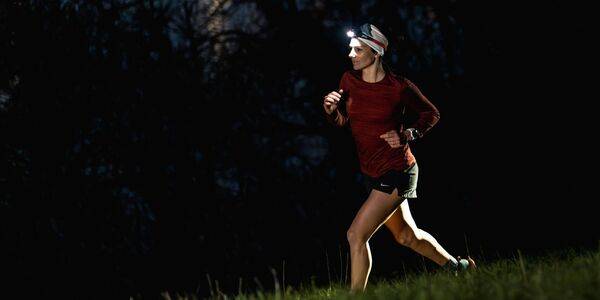
For night running in natural environments, especially on countryside paths or wooded areas, a more powerful headlamp is essential. A brightness level between 300 and 500 lumens allows you to run safely by anticipating obstacles such as stones, roots or uneven ground. This level of power provides good visual comfort, even at a steady pace, and is perfectly suited to mixed terrain running.
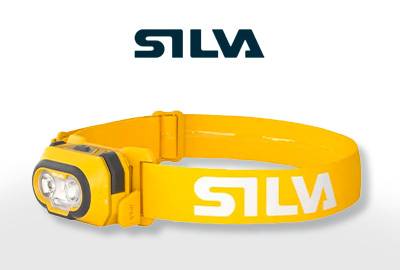
Silva headlamps are particularly well suited for this type of terrain. The Silva Trail Runner models, designed specifically for running, are among the top references on the market. The Silva Trail Runner Free 2 Ultra delivers up to 550 lumens and stands out for its robust design, strong battery life and excellent stability, even during long outings. It is ideal for regular training sessions on both roads and trails and allows you to run confidently even as light levels decrease. With a headlamp from this range, you benefit from reliable and stable lighting, which is essential for maintaining a good rhythm and ensuring safety on natural routes.
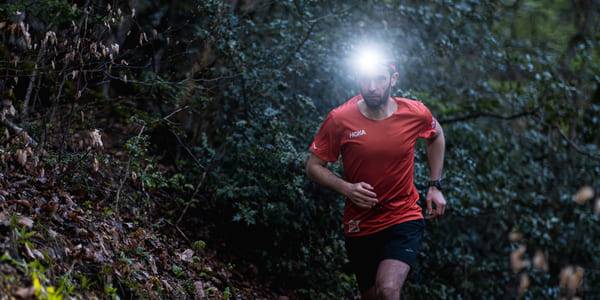
For runs that take place deep in the forest or on technical and uneven trails, I choose a headlamp capable of lighting more than 70 meters ahead. For this type of outing, the Nao RL headlamp is an excellent choice. It exceeds 1500 lumens in boost mode and features reactive lighting that automatically adjusts the brightness based on the level of power needed.
This Petzl headlamp is a powerful ally in all conditions, as well as during long races or night ultras, thanks to its strong lighting performance and well controlled battery life. Its reliable stability and comfort make it an ideal option for night running or trail running on demanding terrain and over long distances. It supports runners during intense training sessions and races alike, where visibility is essential for running safely.
Not all light beams are the same: some are wider, others more focused. For running or trail running, it is essential to understand how to properly adjust the beam distance and angle so you can adapt to the terrain and your running speed. A good adjustment helps you anticipate obstacles and maintain visual comfort throughout your run.

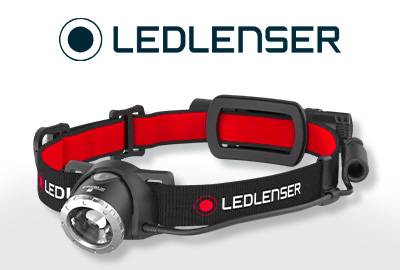
On hilly paths or technical descents, a powerful headlamp with a long beam is essential. For example, Ledlenser headlamps offer adjustable beams that help you better anticipate obstacles such as potholes or uneven terrain, including the edges of countryside roads. This adaptability allows you to handle the variety of situations you may encounter during your run.
Adjusting the beam distance correctly helps you maintain a stable and confident stride, even at a steady pace. This is a key factor for ensuring safety during night running or trail running, where visibility directly affects your reaction time and your ability to avoid hazards.
The beam orientation is just as important as the brightness itself. A wide beam is recommended for irregular trails, while a narrow beam is sufficient on the road. Some models, such as Silva headlamps, allow you to alternate between a wide and a focused beam. This type of headlamp optimizes peripheral vision on uneven terrain while remaining effective on smoother, faster sections.
The lighting modes integrated into a headlamp offer real flexibility. Whether you want to preserve battery life or temporarily increase brightness, using these functions correctly enhances the effectiveness of your night runs. Whether you are trying to save battery on a long outing or boost brightness on a technical section, knowing how to use the lighting modes is essential. It improves your comfort, your safety and your overall performance, whether you are running in the city or on nighttime trails.
Each mode, whether powerful, economical or intelligent, meets a specific need. Understanding them allows you to take full advantage of your headlamp's potential, depending on the terrain and the type of running you practice.
The high-power mode provides maximum brightness, ideal for technical or downhill sections. The Petzl Swift RL headlamp delivers up to 900 lumens with a boost mode accessible in one click. Designed for demanding activities, it maintains excellent stability even at full power and is one of the most appreciated models among night runners and trail athletes.
Eco mode is perfect for preserving battery life during long outings. It allows you to run for several hours without needing to recharge the lamp. Particularly useful on models like Ledlenser headlamps, it optimizes battery cycles for extended sessions, making it an essential setting for long-distance trail running.
Reactive lighting modes automatically adjust brightness based on terrain and surroundings. Featured on Petzl Nao RL and Swift RL models, they improve battery life, prevent glare, and let you run without manual adjustments. They are especially suitable for long distances and technical terrain, providing enhanced comfort and focus.
A headlamp should not only illuminate: it must also withstand the sometimes harsh conditions of running. Rain, mud, impacts... all of these factors should be considered when choosing your lamp.
Shock and water resistance are essential criteria for a headlamp. Choose a reinforced casing capable of withstanding the most difficult weather conditions. Additionally, the waterproof rating plays a key role in ensuring the lamp functions properly in humid or unstable environments. Models certified IPX4 resist rain, while those rated IPX6 withstand more intense water projections.
Choosing a durable and waterproof headlamp means choosing reliability, and the ability to run with confidence, whatever the conditions.
The comfort of a headlamp is crucial for running with peace of mind, especially over long distances. Stability and lightness are the two pillars of comfortable wear, without distraction or discomfort during the run. Proper fit is essential to prevent the headlamp from slipping with every stride. This can affect your concentration, disrupt your pace, and reduce your overall comfort.
Various headlamp brands such as Ledlenser, Petzl, and Silva offer adjustable and stable headband systems. This allows you to run on varied terrain without interruptions or constant adjustments, a major comfort advantage!
Whether running in the city or on trails, a secure and stable fit prevents constant readjustments and allows you to stay focused on your sensations. It's a key factor not to overlook to fully enjoy your running sessions, even at night.
I recommend not exceeding 120 grams for a headlamp in order to maintain good running comfort and avoid headaches or neck pain. For ultras or more demanding trail runs, a slightly higher weight can be tolerated, as long as the balance is well distributed so it doesn't interfere with your stride. I therefore suggest choosing a discreet, stable model that you can forget about once you start running.
A lightweight headlamp ensures better long-term comfort, especially during long night runs. Indeed, any running gear should be unobtrusive, so it's easy to understand why lightness is a key selection criterion when choosing a headlamp. Since the head is not accustomed to carrying weight, lightness becomes a truly decisive factor.
It is therefore essential to get used to running with your headlamp during training, especially when preparing for a trail run or an ultra-trail. The Petzl Swift RL, for example, weighs around 100 g and offers up to 900 lumens of power. Its compact, well-balanced design makes it an excellent compromise for those who regularly run at night, whether in the city or on the trails.
With all these criteria in mind, it becomes easier to identify the model that's right for you. Here's a recap of the key points to help you make the best choice, based on your type of running and the terrain. Personally, when I choose a headlamp for running, I always prioritize:
By adapting your gear to each type of workout, every runner can gain comfort and safety, and better enjoy their runs in low-light conditions.
- Nicolas
In both road running and trail running, being seen is just as important as seeing clearly. The rear light integrated into some headlamps is a real advantage when it comes to staying visible in the dark. A LED headlamp with a flashing red rear light helps you be noticed by cars and cyclists, whether you are in the city or out in nature. Keep this in mind when choosing your headlamp, as it is an essential safety feature, especially for regular urban runners who train early in the morning or late in the evening. This 360 degree visibility greatly increases your safety, particularly when running along shared roads or poorly lit sidewalks.
A headlamp allows you to both see and be seen. It lights your path so you can anticipate obstacles such as holes, roots or curbs, and it makes you visible to cars, cyclists and other people around you.
It is essential in winter, early in the morning, late in the evening or on forest routes to ensure safe running conditions, whether in road running or trail running.
In urban environments, a brightness level of 100 to 200 lumens is enough. Streets are usually lit, so the goal is mainly to illuminate dark areas and ensure you remain visible to others.
A compact and lightweight LED headlamp is ideal for morning jogs or weekday runs and fits easily into a pocket or running bag.
For night runs on countryside roads or marked trails, you should choose a headlamp providing between 300 and 500 lumens.
This power level gives you enough visibility to anticipate obstacles such as stones, roots or uneven terrain, while maintaining visual comfort at a steady pace.
For forest routes and technical trails, choose a headlamp with at least 700 lumens and a beam capable of lighting more than 70 meters ahead.
This type of lamp is perfect for night trail running or ultra distances where visibility and safety must remain optimal at all times.
The type of beam depends on your terrain:
- A wide beam is best for irregular trails, forest routes or technical terrain, offering better peripheral vision.
- A narrow or focused beam is suitable for road running or well-marked paths where long distance visibility is more important.
Some headlamps allow you to switch between beam types, making them ideal for mixed terrain during a run.
On hilly routes or technical downhills, set your headlamp to a long beam distance so you can anticipate terrain changes well in advance.
On flatter or smoother surfaces, a shorter beam improves comfort and reduces eye fatigue while still providing good visibility for your running pace.
Most running headlamps offer several modes:
- Max power mode: ideal for technical sections, fast descents or moments when you need long range visibility.
- Eco mode: reduces brightness to preserve battery life, perfect for long runs or easy terrain.
- Reactive or intelligent modes: the lamp automatically adjusts brightness depending on what is in front of you, optimizing battery life and reducing manual adjustments during the run.
A running headlamp must withstand rain, mud, humidity and shocks. It is important to choose a lamp with a strong casing and a good waterproof rating.
Lamps with an IPX4 rating can handle rain, while IPX6 models resist more intense water exposure. A durable headlamp ensures safe use in any weather condition.
A headlamp should ideally weigh less than 120 grams to avoid neck discomfort and maintain good running posture.
For long distances or ultras, a slightly heavier model may be acceptable if the weight is well balanced and the lamp stays stable on your head.
The head is not used to carrying weight. A heavy headlamp can quickly become uncomfortable, especially during long runs.
A lightweight lamp improves comfort and allows you to focus on running. It is recommended to train with your headlamp before a trail race to make sure it suits you well.
To ensure stability, choose a lamp with:
- an adjustable and comfortable headband,
- a secure fit that stays in place without being too tight,
- good weight distribution to prevent the lamp from slipping.
A stable headlamp avoids bouncing and constant readjustments, allowing you to stay focused on your pace and sensations.
Both options have advantages:
- Rechargeable USB battery: practical and economical for regular training or commuting.
- Standard batteries: useful for very long outings or ultras where recharging may not be possible.
Some headlamps offer hybrid systems that work with both rechargeable batteries and standard batteries for extra flexibility.
Yes, a rear safety light is a major safety feature, especially in urban environments or on roads. A red flashing or static LED makes you visible from behind and provides 360 degree visibility.
It greatly improves safety when running near traffic or in dimly lit areas and is highly recommended for morning or evening runners.
The three most important criteria are:
1. Brightness adapted to your environment (city, countryside, technical trails).
2. Comfort and stability so you can run long distances without discomfort.
3. Durability and waterproofing to handle any weather conditions.
Choosing a headlamp based on your running terrain and training habits will help you stay safe, comfortable and confident on your night runs.